Spain is home to one of the world's most extraordinary winemaking heritages. Its vineyards stretch from the cool Atlantic landscapes of Galicia to the warmth of the Mediterranean, from the high-altitude vineyards of Castilla y León to the dramatic slate soils of Priorat. There is no single style of great Spanish wine. Instead, there is a remarkable diversity of regions, grape varieties and wineries capable of turning every glass into a complete gastronomic experience.
What Defines a Premium Spanish Wine?
Price alone does not make a wine premium. True quality begins in the vineyard, with low yields, meticulous grape selection and respect for a specific terroir. It is confirmed in the winery through precise winemaking and carefully integrated ageing, and ultimately revealed in the glass through balance, depth and unmistakable character.
A great wine does not have to be powerful. A white wine from Rías Baixas can be premium thanks to its saline tension and aromatic purity. A Fino Sherry earns its place through extraordinary biological ageing and its ability to transform a simple aperitif. A Rioja red stands out for the elegance it develops over years of maturation. What truly matters is that the wine expresses its origin with authenticity while maintaining impeccable quality from beginning to end.
Traceability is equally important. The most respected wineries work with their own vineyards or with growers whose plots they know vine by vine. They limit yields whenever necessary and make every decision with the goal of preserving the character of the fruit. The result is unmistakable: wines with genuine identity rather than beverages designed simply for immediate consumption.
A Guide to Premium Spanish Wines by Style and Region
Prestigious Red Wines: Rioja, Ribera del Duero and Priorat
Rioja remains one of the world's great gateways to premium Spanish wine. Its finest Reservas and Gran Reservas combine ripe fruit with layers of spice, cedar, cocoa and beautifully polished tannins that appeal to lovers of classic elegance. They are particularly well suited to roast meats, lamb, slow-cooked dishes and aged cheeses. As a gift, Rioja immediately conveys tradition, international prestige and impeccable taste.
Ribera del Duero generally offers a more powerful expression of Tempranillo, locally known as Tinta Fina or Tinto Fino. These wines display black fruit, structure, depth and oak ageing that often brings notes of toast, vanilla and coffee. They are an outstanding choice for winter dinners, grilled beef or any occasion where the wine is expected to take centre stage. However, it is worth avoiding stereotypes: not every Ribera del Duero is bold and powerful. The region's finest producers also craft elegant, fresh and remarkably age-worthy wines.
Priorat occupies a category of its own. Its dramatic slate soils, known locally as llicorella, produce concentrated, mineral-driven wines with exceptional length, typically based on Garnacha and Cariñena. These are wines to savour slowly alongside richly flavoured dishes such as game, slow-cooked stews or intensely aged cheeses. They are not designed to please everyone—and that is precisely part of their appeal.
Spanish White Wines Worthy of a Premium Table
Spanish white wine is enjoying one of the most exciting periods in its history. Albariño, Godello, old-vine Verdejo, Rioja Viura and Catalan Xarel·lo demonstrate that Spain offers far more than simple summer whites.
A well-crafted Albariño from carefully tended vineyards in Rías Baixas delivers citrus fruit, stone fruit, white flowers and a distinctive saline finish that makes it exceptionally food-friendly. It is superb with oysters, prawns, clams, octopus and premium seafood preserves. Few wines pair more naturally with Mediterranean cuisine.
Godello, particularly from Valdeorras and Bierzo, usually offers greater body and a creamy texture without sacrificing freshness. It pairs beautifully with baked fish, scallops, creamy rice dishes and free-range poultry. For wine lovers who appreciate complex white wines, it is an excellent alternative to more predictable reds.
In Catalonia, Xarel·lo reveals a restrained yet profound personality, with herbal, citrus and mineral notes. It evolves beautifully in bottle and performs equally well with seafood cuisine or sophisticated aperitifs. A premium white wine should never be viewed as a secondary choice; on many tables, it becomes the most memorable bottle of the meal.
Cava and Sparkling Wines: Celebrations with Authentic Origin
Premium Cava and Spain's traditional-method sparkling wines have reached outstanding levels of quality. Their distinction lies in careful grape selection, extended lees ageing and the pursuit of exceptionally fine, elegant bubbles. A great sparkling wine is far more than a wine for toasting—it can accompany an entire meal with remarkable versatility.
The driest, freshest styles pair beautifully with Iberian cured meats, toasted almonds, anchovies, creamy cheeses and shellfish. Long-aged cuvées develop notes of brioche, toasted nuts and remarkable depth, making them ideal companions for poultry, rice dishes and even fish served with delicate sauces. For corporate gifts or family celebrations, premium Spanish sparkling wines offer an undeniable advantage: they are festive, refined and naturally designed for sharing.
Sherry: Luxury That Continues to Surprise
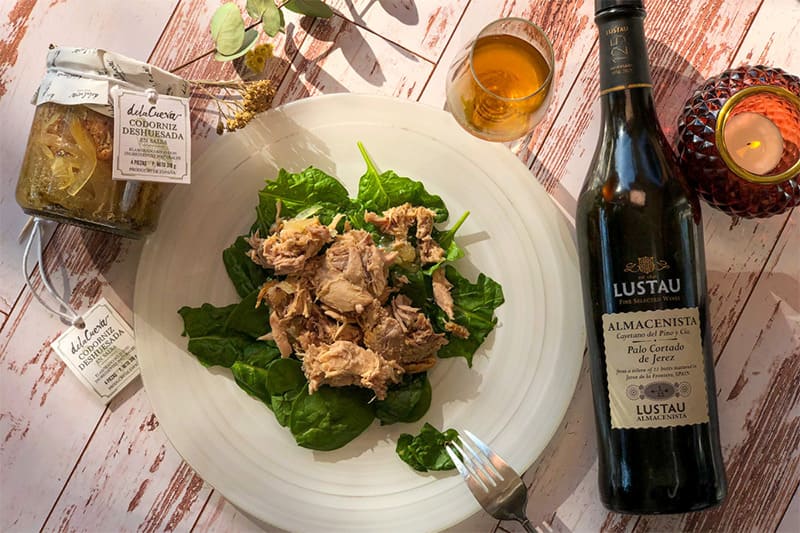
Fino, Manzanilla, Amontillado, Oloroso and Palo Cortado represent one of the world's greatest winemaking treasures. These wines possess extraordinary complexity, born from a unique ageing system and an Andalusian tradition unlike any other.
Well-chilled Fino or Manzanilla elevate an aperitif of olives, Iberian ham, cured tuna (mojama) or premium seafood preserves. Amontillado brings flavours of toasted hazelnuts, dried herbs and remarkable acidity that pair beautifully with mushrooms, artichokes and rich broths. Oloroso, fuller-bodied and more profound, shines alongside aged cheeses, richly flavoured meats and desserts with restrained sweetness. These wines reward curiosity with an experience unlike any other.
Choosing the Right Wine for Every Occasion
For a formal dinner centred on red meat, a Ribera del Duero, Rioja Reserva or Priorat offers impressive presence. If the menu focuses on seafood, fish or a traditional Spanish aperitif, a premium Albariño, Godello or long-aged Cava is often the more sophisticated choice.
When selecting wine as a gift, think less about critics' scores and more about the person receiving it. Lovers of classic wines will appreciate a well-established Rioja with extended ageing. More adventurous enthusiasts may prefer a single-vineyard Godello, an age-worthy Xarel·lo or a carefully selected Sherry, all of which demonstrate knowledge and personality. For gourmet corporate gifts, bottles with recognised origins and elegant presentation are particularly effective, communicating attention to detail without the need for explanation.
Vintage also deserves consideration, although it should not become an obsession. In regions with variable climates, vintages can significantly influence freshness, concentration and ageing potential. However, outstanding producers consistently maintain high standards, even in more challenging years. When in doubt, choosing a trusted winery is usually wiser than chasing a specific vintage.
Serving: The Detail That Transforms the Bottle
A premium wine deserves the correct serving temperature. Structured red wines generally express themselves best between 16 and 18°C, rather than at room temperature if the environment is warm. Complex white wines are best served between 9 and 11°C, while Cava, Fino and Manzanilla benefit from even cooler temperatures.
Whether to decant depends on the wine. A young, concentrated red often benefits from thirty minutes to an hour of aeration, allowing its aromas to open fully. An older Reserva requires greater care, with gentle decanting to separate any sediment while avoiding prolonged exposure to oxygen. White and sparkling wines simply need to be opened and served in an appropriate glass—ideally one with enough width to reveal their full aromatic complexity.
There is no need to wait for an extraordinary occasion before opening a remarkable bottle. A loaf of excellent bread, artisan Spanish preserves, an aged cheese and a perfectly served glass of wine can turn any evening into something memorable. That is the true strength of Spain's finest wines: they bring the landscape, culture and craftsmanship of their origin to the table, making every shared moment more meaningful.

AUTOR: Israel Romero, CEO de Made in Spain Gourmet.