A great anchovy needs no introduction—only the right bread and a few moments of appreciation. Spain's finest anchovies transform a simple aperitif into an expression of true gastronomy: firm, plump and impeccably clean fillets, patiently cured and preserved in olive oil that enhances rather than masks their flavour. They are among the most celebrated delicacies in the Spanish pantry and, when carefully chosen, among the most unforgettable.
Spain has elevated salt-cured anchovies to the status of an internationally recognised gourmet product. They are far more than simply fish preserved in salt. Behind every premium tin lies a specific fishing season, meticulous raw material selection, months of maturation and, in the finest traditional canneries, hand-filleting that demands both precision and craftsmanship. Together, these elements explain why some anchovies are refined and elegant while others may taste overly salty, dry or inconsistent.
What Sets Spain's Finest Anchovies Apart
The highest-quality anchovies generally come from the Cantabrian Sea, where the European anchovy (Engraulis encrasicolus)—known locally as bocarte when fresh—is caught. The spring fishing season is especially prized because the fish reaches its ideal balance of texture and natural fat. Once carefully salt-cured, these anchovies retain a delicate, glossy flesh with remarkable depth of flavour.
The origin of the fish matters, although labels should be interpreted carefully. Anchovies produced in Santoña, Laredo or elsewhere along Spain's northern coast may use fish caught in different authorised fishing grounds depending on the season and availability. What truly defines quality is not simply where they are packed, but the rigour with which each batch is selected, matured and prepared. Spain's most respected producers have built their reputation on exactly this level of care.
The curing process is the second defining factor. After salting, the anchovies mature in barrels for several months. During this time, the salt transforms their texture, refines their aroma and develops the clean umami character that makes stopping at just one almost impossible. A perfectly controlled maturation produces anchovies that are intensely savoury yet beautifully balanced—salty without harshness, rich without heaviness and lingering without bitterness.
Hand Preparation Makes the Difference
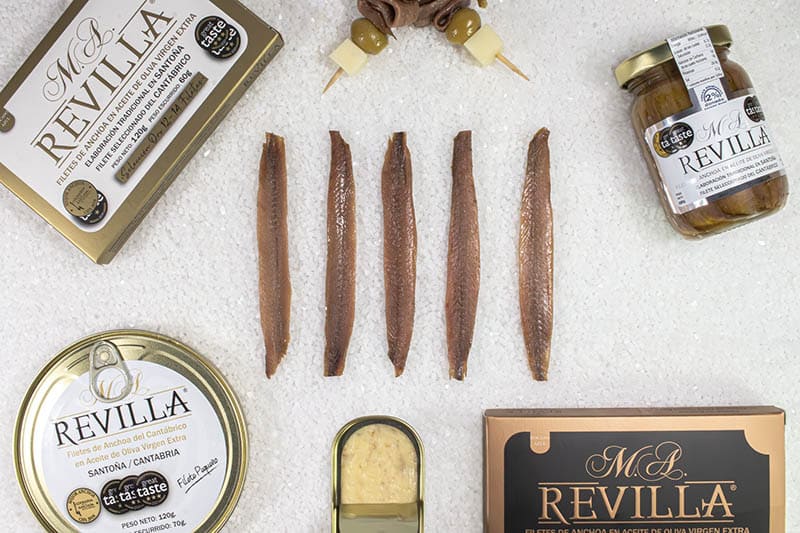
Once fully matured, each anchovy is carefully cleaned to remove its skin and bones. In artisan production, this process is carried out entirely by hand, fillet by fillet. This traditional hand-finishing determines the final appearance, texture and purity of the product. A premium anchovy should arrive whole—or almost whole—with no tears, no remaining bones and a smooth, attractive surface.
Colour also provides useful clues. Look for fillets with natural reddish-brown or mahogany tones that appear even and consistent. Fillets that are excessively dark may indicate over-oxidation or unbalanced curing, while pale, brittle anchovies often suggest insufficient fat content or less careful handling. The flesh should be supple, meaty and glossy, never dry.
How to Choose Gourmet Anchovies
The packaging itself offers valuable information. The size grade indicates the approximate size of the fillets and how many are packed into each tin. There is no universally "best" size: larger fillets provide a generous bite and make an impressive presentation on toasted bread, while smaller ones are often ideal for potato salad, pintxos or sauces.
If serving anchovies on their own, choose medium or large fillets neatly arranged and preserved in olive oil. For cooking, slightly smaller fillets can be an excellent choice provided they retain their texture. Premium quality is not about buying the biggest tin—it is about selecting the most appropriate product for the occasion.
The preserving oil should protect and complement the anchovies. Olive oil naturally enhances their Mediterranean character and integrates perfectly into a traditional Spanish aperitif. However, the anchovy should always remain the star of the show. The oil should never dominate its flavour or conceal imperfections. When opening the tin, the aroma should be clean, fresh and maritime, with no metallic or overly pungent notes.
The choice of packaging is also worth considering. Tins protect anchovies from light and make them ideal for stocking a gourmet pantry. Glass jars allow the beautiful fillets to be seen and are convenient for serving directly at the table. Whichever format you choose, once opened, keep the anchovies fully covered with their oil and refrigerated. Consuming them promptly helps preserve their silky texture.
Anchovies, Marinated Anchovies and Cantabrian Anchovies
The distinction is often misunderstood, but it is fundamental. Boquerones en vinagre are fresh anchovies marinated in vinegar, with a lighter, brighter and more acidic flavour profile. Salt-cured anchovies undergo months of maturation, developing far greater depth, richness and savoury complexity.
The term Cantabrian anchovy generally refers to the traditional preserving methods associated with Spain's northern coast and its highly prized catch. Throughout Europe, it has become synonymous with quality. Nevertheless, the name alone is not a guarantee. Careful attention to the label, the appearance of the fillets and the reputation of the producer remain the best indicators of excellence.
How to Serve Premium Anchovies
The best way to appreciate exceptional anchovies is to serve them slightly warmer than refrigerator temperature. Remove them a few minutes beforehand so the olive oil becomes fluid and the aromas can fully develop. A small serving plate, lightly toasted sourdough bread and a simple presentation are all they require.
The classic combination of anchovies and butter remains one of the finest pairings imaginable, particularly when using premium unsalted butter. The creamy richness softens the anchovies' salinity while highlighting their silky texture. Served on crisp bread, it creates a refined bite that is difficult to surpass.
Anchovies also pair beautifully with roasted piquillo peppers, ripe tomatoes, fresh cheese or boiled potatoes. Keep the accompaniments simple and avoid ingredients that are heavily spiced, smoky or overly acidic, as they can overwhelm the delicate nuances of the fish. When the anchovies are exceptional, the recipe should complement them—not compete with them.
For a more festive aperitif, prepare a well-balanced Gilda, combining olives, pickled guindilla peppers and anchovies. The secret is moderation: the vinegar in the peppers should never dominate. Another outstanding option is placing a fillet over homemade Spanish potato salad finished with a drizzle of premium extra virgin olive oil. The creamy potatoes and the anchovy's savoury intensity form one of Spain's greatest culinary combinations.
Wines and Drinks That Pair Beautifully with Anchovies
Anchovies call for freshness, acidity and precision. A well-served Fino or Manzanilla Sherry is a masterful choice: their dry character cleanses the palate while complementing the anchovies' salinity without overpowering it. A well-aged Brut Nature Cava is another excellent option, bringing elegant bubbles and remarkable finesse to a gourmet aperitif.
If you prefer still wine, an Atlantic white with lively acidity—such as Albariño or a fresh Godello—offers wonderful harmony. Vermouth lovers should opt for a dry, balanced style served over plenty of ice with a twist of citrus peel rather than a slice of fruit that dilutes the drink. The anchovy already provides enough intensity to carry every sip.
A Gourmet Gift Worth Remembering
A carefully selected assortment of artisan anchovies makes an outstanding gourmet gift. It represents origin, craftsmanship, prestige and versatility, equally suited to an intimate dinner, a corporate celebration or a thoughtful present for someone who appreciates exceptional food. Whether for a discerning host, an expatriate longing for the flavours of Spain or a lover of premium preserved seafood, few gifts communicate the richness of Spanish gastronomy more effectively.
At Made in Spain Gourmet, anchovies deserve the same respect as a great Iberian ham or an outstanding extra virgin olive oil: rigorous selection, authentic provenance and immediate pleasure. Choose a preserve that tells the story of the sea, of time and of skilled hands. Then open a bottle of wine, toast some excellent bread and let the product speak for itself.

AUTOR: Israel Romero, CEO de Made in Spain Gourmet.