For a gourmet pantry, origin, olive variety and freshness matter just as much as they do when choosing a fine wine or artisan cheese. Selecting the right extra virgin olive oil can transform a simple salad, premium preserves or grilled fish into a dish with real character.
What Sets an Outstanding Extra Virgin Olive Oil Apart
Extra virgin olive oil (EVOO) is produced exclusively from olives using only mechanical extraction methods. It contains no sensory defects and has a free acidity of no more than 0.8%. However, judging its quality solely by that figure would be misleading. Acidity is not something you taste, nor does it define the oil's aromatic complexity.
The real difference becomes apparent the moment you open the bottle. An exceptional EVOO should smell unmistakably of fresh olives and clearly express its origin. It may be vibrant and herbaceous, with notes of tomato vine, artichoke or olive leaf, or softer and rounder, revealing hints of ripe banana, apple, almonds or wild flowers. Bitterness and pepperiness are not flaws when they are balanced—they are natural attributes of oils produced from olives harvested at their optimal stage of ripeness and rich in phenolic compounds.
By comparison, standard olive oil is generally a blend of refined olive oil and virgin olive oil. It certainly has its place in everyday cooking, but it cannot offer the complexity, identity or gastronomic intensity of a carefully crafted extra virgin olive oil. For serving raw, gifting or pairing with premium Spanish products, EVOO is the unquestionable choice.
How to Choose Olive Oil According to Your Taste and Intended Use
There is no single "best" olive oil for every dish. The right choice depends on the olive variety, harvest timing and how you plan to enjoy it. Keeping two complementary bottles at home is a mark of someone who truly appreciates good food: one with greater intensity for finishing dishes, and another with a gentler profile for more delicate recipes.
Picual: Structure, Intensity and Exceptional Versatility
Picual is one of Spain's most internationally recognised olive varieties. It typically produces robust oils with excellent stability and aromas reminiscent of olive leaves, tomato plants, fig trees and artichokes. On the palate, it often displays elegant bitterness and pepperiness, particularly when made from early-harvest olives.
It is an outstanding choice for grilled meats, roasted vegetables, pulses, gazpacho and the classic combination of bread with tomato. Its composition also makes it highly suitable for high-temperature cooking, although reserving a premium Picual solely for frying would be a missed opportunity. A drizzle over a bean stew or aged cheese at the end of cooking completely transforms the dish.
Arbequina: Smoothness, Fruit and Balance
Arbequina is generally softer and more delicate, offering aromas of apple, banana, almonds and fresh grass. It has mild bitterness and a subtle peppery finish, making it an ideal introduction for those discovering premium extra virgin olive oils or for anyone who prefers elegant, rounded flavours.
It pairs beautifully with white fish, seafood, delicate leafy salads, burrata, pastries and homemade mayonnaise. It also enhances a selection of premium Spanish preserves without overpowering anchovies, small sardines or line-caught white tuna.
Hojiblanca, Cornicabra and Artisan Blends
Hojiblanca typically offers an attractive balance between fresh herbal notes, almonds and a gently spicy finish. Cornicabra, meanwhile, tends to be more aromatic and persistent, with a distinctive personality. Both varieties are excellent choices for those wishing to explore beyond the best-known styles.
Artisan blends deserve equal attention. Here, olive mills combine different varieties with the same precision that a winery creates a wine blend. The aim is not to disguise the origin but to achieve a carefully balanced flavour profile. A well-crafted blend is often the most versatile bottle on the table.
Early Harvest, Origin and Traceability
Harvest timing provides valuable information. Early-harvest oils are produced from green or just-turning olives picked at the beginning of the season. Although the oil yield is lower, the resulting EVOOs are typically more vibrant, fresher and richer in aromatic compounds. This is why they are especially prized in the gourmet market.
Origin matters too. Spain is the world's leading producer of olive oil, not only in volume but also in the diversity of its olive varieties and the expertise accumulated across generations of growers and mills. Andalusia, Castilla-La Mancha, Catalonia, Extremadura and the Valencian Community each produce oils with distinctive personalities, and those differences are reflected in every tasting. A Protected Designation of Origin (PDO) provides additional reassurance regarding provenance and production standards, although it never replaces sensory quality or the reputation of the producer.
Look for transparent labelling that clearly states the olive variety or blend, harvest season, precise origin and storage recommendations. "Bottled in" does not necessarily mean "produced in." For discerning buyers, traceability is part of the luxury—knowing exactly where the oil comes from and who has cared for it throughout every stage of production.
The Bottle Matters More Than You Think
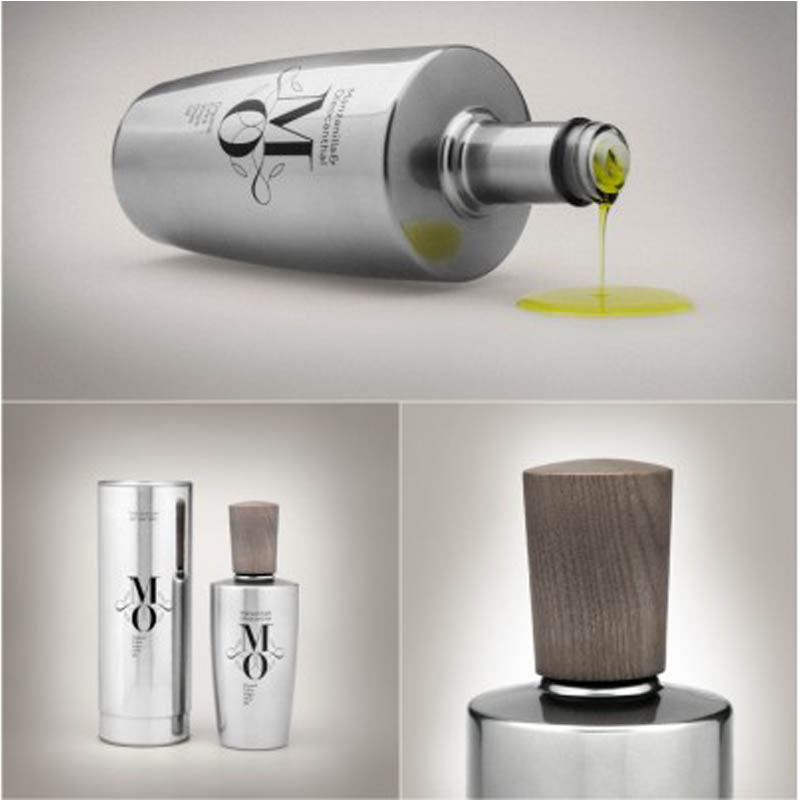
Light, heat and oxygen are olive oil's three greatest enemies. Dark glass bottles, opaque tins or other light-protective packaging help preserve freshness and flavour. Clear glass may look attractive, but it offers significantly less protection if left exposed in a bright kitchen.
At home, EVOO should be stored in a cool, dark cupboard away from the hob, oven and other heat sources. It should not normally be kept in the refrigerator. Cold temperatures may temporarily cloud or solidify the oil, although they do not damage it. Once opened, it is best enjoyed generously rather than treated as a collector's item.
The best-before date provides useful guidance, but freshness is what truly matters. Oils from the most recent harvest usually deliver their finest aromas during the first months after bottling. If you buy a larger tin for convenience, decant a smaller quantity into a dark, opaque cruet to minimise the remaining oil's exposure to air.
How to Serve EVOO at Its Best
Premium extra virgin olive oil deserves a moment of its own. Pour a small amount into a tasting glass or bowl, cover it briefly with your hand to warm it slightly, then smell it before tasting. Take a small sip and allow it to coat your palate. The peppery sensation may appear towards the end, even at the back of the throat. In a fresh, expertly made EVOO, this is a sign of vitality, not a defect.
Some pairings rarely disappoint: an intense EVOO with crusty bread and Iberian ham; a delicate Arbequina with goat's cheese and citrus; or a herbaceous oil with ripe tomatoes and flaky sea salt. Whether drizzled over vegetable soup, boiled potatoes, rice or premium preserves, the final touch of olive oil is not simply decoration—it defines the dish.
Premium EVOO also makes an exceptional gourmet gift. A beautifully presented bottle from a limited production, with a clearly identified origin, conveys discernment, hospitality and genuine appreciation for Spanish gastronomy. It is an excellent choice for a special dinner or as a sophisticated corporate gift that values authenticity over convention.
Mistakes That Diminish a Great EVOO
The first mistake is using it only for cooking and never enjoying it raw. The second is buying based solely on price without considering harvest date, producer or packaging. The third is storing it beside the cooker for months. Extra virgin olive oil does not require ceremony, but it deserves the same care as a premium bottle of wine.
Nor should intensity always be mistaken for quality. A delicate oil may be exceptionally crafted, while a powerful one may overwhelm a subtle dish. True excellence lies in aromatic purity, balance and the ability to enhance a meal without overshadowing its other ingredients.
At Made in Spain Gourmet, selecting a Spanish EVOO means upholding exactly these standards: oils with authentic origins, distinctive personalities and exceptional quality worthy of taking centre stage at the table. Start with a bottle that makes you want to tear off a piece of bread and dip it in. Serve it without haste, discover your favourite variety, and let every everyday meal become a celebration of the extraordinary—the Spanish way.

AUTOR: Israel Romero, CEO de Made in Spain Gourmet.