The importance of investing in brands
We are approaching the beginning of summer in the Northern Hemisphere, and tourism should be kicking off and pushing the stain of the pandemic into a thing of 2020 that we would see off in 2021… but that is not the case yet. And what is happening is that our exports when it comes to gourmet products still haven’t taken off. And our Mediterranean cousins? Well, they’re flying — the answer: because they keep investing in their brands, and we don’t.
The other day I was with a friend from Washington in a well-known gourmet spot in
Barcelona, and he brought me the latest issue of
Wine Spectator. I leafed through it and out of the 150 pages in the magazine I only found one ad for a Spanish wine brand; the rest —
more than 50% of the magazine — were wineries and companies from
Italy, the US and France, in that order. Only one Spanish company in the most prestigious American wine magazine. That is unacceptable. Especially since we always say that our internationalization is increasingly relevant to our sales, but at what pace? At a turtle’s pace, or even slower. And that way we can’t close the gap with them, our competitors.
The Italians sell better than us
The most typical phrase Spaniards tell ourselves is this one, as if that alone justified everything. But we should dig a little deeper. Is that really all it is? Of course not. The first thing they do is
INVEST a considerable amount of money in their brands, precisely so they are recognized and valued more than competitors from other countries. Of course their sales methods are superior to ours, but would it not be the other way around if we had a stronger brand value position than theirs and paired that with the real commercial argument of the quality of our products? We would be clear winners.
But they also join forces and work a lot as a team, because their strategy is simple: if the appeal of the country increases, there is more room for brands from their own market, and less room for those from other countries. People in international markets, support for distributors, investment in them and also in advertising. Market response:
recognition of their quality and their brand leadership, which gains market share every year, even though some of their products have questionable origins, like EVOO (
mostly of Spanish origin but bottled in Bella Italia). And the credit goes to the transalpine companies.
France: the origin of Gourmet
Of course, when it comes to positioning their products as the most recognized, the French lead. They invented even the vocabulary now used internationally:
gourmet, gourmand, bouquet… to refer to product quality, and whoever imposes his language also has every advantage in the race for success in the gourmet market.
Also a fan of group strategy, they like to wrap everything under the umbrella of products from France, which
creates scalability when entering new markets, and of course they also invest money in promoting their products, with cross-marketing actions in adjacent sectors to accelerate brand recognition.
But they also know how good our products are, and they go looking across our geography for products that can improve theirs, as happens with cheese, which they buy when it is still young to age it in their cellars, or in other cases they become the exporters of our products around the world (they already have their own international sales channels, so they take the credit for the discovery and the largest share of the sales margin).
Spain: all noise and few nuts
I don’t think there’s a phrase that defines it better. Because we are noisy, and we talk… more than anyone. But that is a long way from being internationally competitive.
A lot. The word investment in brand remains taboo for the vast majority of brands, which leads me to conclude that they simply
DO NOT BELIEVE in raising brand value as a prelude to increasing sales in markets where they are either not present or their market share is still below expectations.
I remember meetings with Russian distributors who didn’t understand how Spanish brands didn’t want to invest in promotions in Russia, when Russians love Spanish gourmet products because they’ve tried them as tourists. Meanwhile, the line of Italian brands trying to enter that market was enormous, and all were investing in promotions as the first step to becoming known. It’s very difficult to grow like that, and anyone who thinks things will return to internal international demand (tourism to our country) hasn’t realized that this has changed — if you don’t export the brand, competition in Spain will be fierce for a small share. The idea that distributors have to do all the work is wrong; it should be a joint effort, brand and distributor, so you can better understand the end consumer in other markets, and they can learn how the brand differentiates itself from others.
Fortunately there are some cases nearby that are very clear about this and make the effort to invest in their brands so they are recognized and people buy more from them, but such occasions are so few that we are certainly not at the level our gastronomy deserves.
[caption id="attachment_17737" align="aligncenter" width="800"]
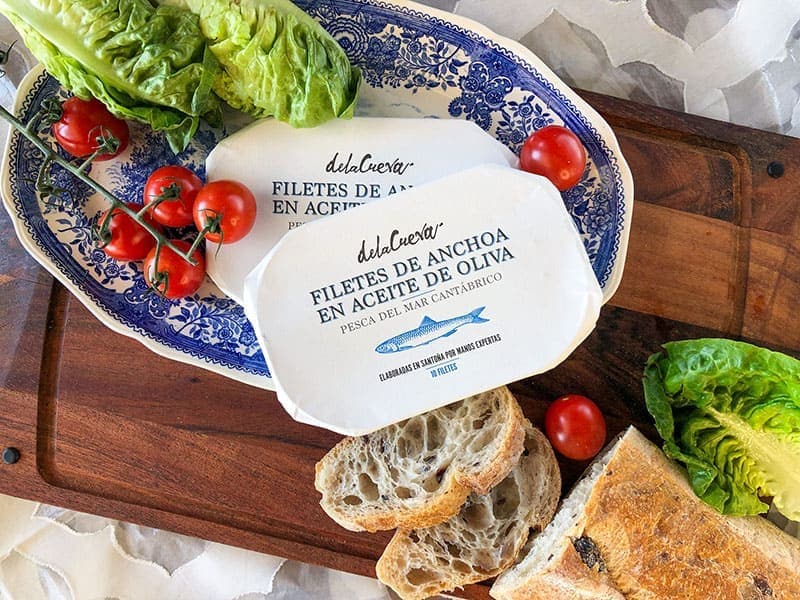
We are light-years… or centuries away? from France and Italy[/caption]
Let’s not copy our competitors, let’s innovate
But now is not the time to do the same as our competitors, because we will always be behind and never be able to overtake them. If we want to find our position and differentiation, we must innovate, and that means generating much more content about our brands to reach farther and be known worldwide, and
the key word is scalability.
360 plans, web, content, CRM, influencers — in other words
B2B2C, all at once.
This is what we do at
MadeinSpain.store for our own brand, because being in China is as important as being in Madrid — actually, much more, because they are the customers of the future, demanding and who will want
ONLY THE BEST.