How to serve cava at home and get it right every time

There is a gesture that separates a proper glass from a truly memorable experience: knowing how to serve cava at home. You don't need a large celebration or a formal table. All it takes is a well-chosen bottle, a precise temperature, and the respect due to one of the great emblems of Spanish gastronomy.
Cava is not just any sparkling wine. It is tradition, method, origin and aperitif culture. For that reason, serving it well is not a matter of empty protocol but of gastronomic justice. When it’s chilled too much, it loses expression. When it’s served lukewarm, the bubbles become disordered and the whole is unbalanced. And when an inappropriate glass is chosen, part of its elegance is left behind.
How to serve cava at home without spoiling a good bottle
The first mistake usually starts in the fridge. Many people keep cava for days in the coldest zone or even put it in the freezer to speed things up. It’s a tempting shortcut, but not respectful of the product. The ideal serving temperature is usually between 6–8 °C for young, fresh cavas, and slightly higher, between 8–10 °C, for reserva or gran reserva cavas with more complexity. That’s where the fruit, the aging and the bubbles find balance.
If the bottle is at room temperature, the best option is to chill it in an ice bucket with water and ice for about 25 to 30 minutes. With only ice it takes longer and cools less effectively. If it has already been in the fridge, it’s good to take it out a few minutes before serving if it’s excessively cold. Premium cava gains a lot when it’s allowed to speak clearly.
How it has been stored also matters. If the bottle will be consumed soon, it can be kept upright. For longer periods it depends on the closure and the style, although at home the most common practice is to buy to enjoy, not to age for years. The essential thing is to avoid sudden temperature changes, direct light and heat sources.
Opening: firmness, control and no showmanship
Opening a cava by popping the cork can seem festive, but it is bad practice. You lose pressure, you agitate the wine and waste part of its character. Elegant service is silent or nearly so. That’s where the hand of someone who knows what they’re doing is evident.
First remove the foil and then the wire cage, always holding the cork with one hand. The bottle should be tilted slightly, about 45 degrees, while turning the base, not the cork. That nuance changes everything. By gently turning the bottle, the pressure is released little by little and the cork comes out with a sigh, not with an explosion. That discreet sound is the best announcement of a good glass.
If the cava is well chilled and hasn’t been agitated, the opening will be clean. If it has been moved a lot, it’s advisable to let it rest for a few minutes first. It may seem a minor detail, but it prevents unnecessary foam and loss of volume in the glass.
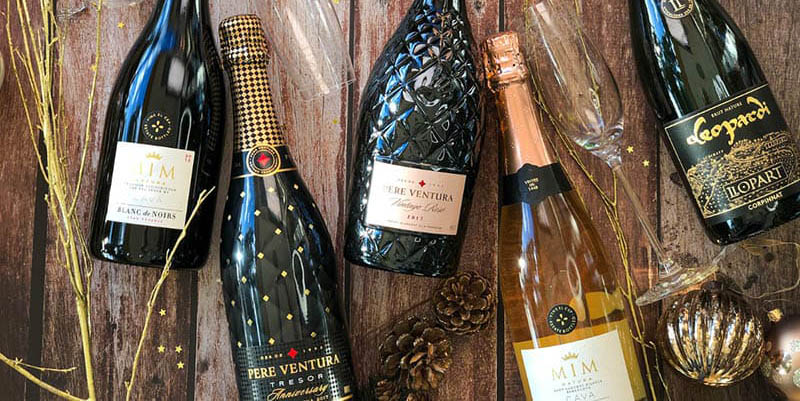
The right glass for serving cava at home
For years sparkling wine has been associated with the narrow flute. It remains a valid option if you want to preserve the bubbles well and present a classic image. However, it is not always the best choice. For higher-quality cavas, especially those with aging, a slim white wine glass often works better. It allows the aromas to be appreciated with more precision and gives the wine space to express itself.
The wide pompadour-style glass, very eye-catching at celebrations, usually does not favor cava. The bubbles disperse too quickly and the wine loses liveliness. It is a glass more decorative than gastronomic. If the goal is true enjoyment, it’s better to leave it for another occasion.
Glass cleanliness also matters. Any residue of detergent, grease or dust alters the foam and the aroma. Ideally the glass should be spotless, free of strange odors and carefully dried. Cava, especially when it is artisanal and of the highest quality, does not forgive carelessness.
How much to fill the glass
Not to the top nor with just a token amount. The most suitable measure is usually to serve between one-third and half of the glass, depending on its size. That way the wine maintains its temperature, the bubbles evolve well and there is room to appreciate the aromas. If filled too much, the cava warms up faster and loses some of its precision. If served too little, the experience feels poor and requires constant refills.
At home gatherings, it’s worth serving calmly and in reasonable batches. Cava appreciates a measured pace. It’s not a drink to be rushed through without attention.
The moment to serve: rhythm, order and context
Understanding how to serve cava at home also means knowing when to offer it. A fresh, vibrant brut works wonderfully at the start of a meal, with appetizers, seafood,
premium preserved seafood or mild cheeses. A reserva can accompany more serious dishes, elegant rice dishes, fish or even some white meats. A common mistake is reserving cava only for the toast. In reality, in a well-understood Spanish table, cava has much more scope.
If there are several wines during a meal, order matters. It’s customary to start with the lighter sparkling wines and then move on to still wines with greater structure, unless the menu calls for a different logic. It also depends on the style of the cava. A young, citrusy and light one does not play the same role as a grand reserva with notes of pastry and nuts.
At home, the context rules. For an informal aperitif on the terrace, a quick, fresh and bright service is appropriate. For a gourmet dinner, it’s worth taking more care with the glassware, the time in the ice bucket and the sequence of courses. It’s not rigidity, it’s judgment.
Common mistakes when serving cava at home
The most common is serving it too cold. When this happens, the cava seems simpler than it is. The fruit hides, the aging almost disappears and all that remains is a sensation of cold and bubbles. The second mistake is using any available glass, especially thick or poorly washed ones. The third is opening the bottle loudly, as if noise were synonymous with celebration.
It’s also advisable to avoid leaving the bottle open for too long without chill. Once the first round has been served, it’s best to keep it in an ice bucket if it will remain on the table. And if there is leftover cava, a specific stopper for sparkling wines helps preserve some of the pressure for a few hours, even until the next day. It doesn’t work miracles, but it works reasonably well.
Another very domestic mistake is thinking that all cavas should be treated the same. They shouldn’t. A young cava calls for freshness and lightness. A reserva needs a slightly higher temperature and a glass that allows for complexity. The better the bottle, the less advisable it is to treat everything the same.
What to pair it with to make it shine
Spanish cava has an extraordinary virtue: its gastronomic versatility. At home it shines with
jamón ibérico, preserved seafood, select olives, fried almonds,
aged cheeses and savory appetizers. It also works very well with Japanese cuisine, light fried foods or dishes with good acidity. The bubbles clean, refresh and prepare the palate to keep eating.
That said, not all pairings are equally natural. Excessively sweet flavors or very spicy dishes can overpower it. And some desserts call for a different kind of wine. If cava accompanies the after-meal period, choose the style carefully. A serious brut nature does not behave the same as a more dosed sparkling wine.
For hosts who want to get it right without complicating things, a well-chosen Spanish appetizer spread is almost infallible. There cava finds its natural ground: authentic product, contrasting textures and that festive touch that in Spain is understood better than anywhere else.
Serving cava at home with true elegance
Elegance is not about overdoing it, but about taking care of the essentials. A quality bottle, a precise temperature, a silent opening and the right glass do more for cava than any excessive staging. That is the kind of luxury that endures: the one you notice on the palate.
Those who appreciate premium Spanish gastronomy know that service is not a secondary detail. It is part of the product’s value. A great cava, served with judgment, transforms a simple aperitif into a special occasion and an ordinary dinner into an experience to remember.
If you ever doubt, think about this: cava does not need artifice, it needs respect. And at home, when it’s served well, you notice the difference from the first bubble to the last sip.
AUTHOR: Israel Romero, CEO of Made in Spain Gourmet.