Aperitif Pairing Guide for at-Home Entertaining
[caption id="attachment_33141" align="aligncenter" width="400"]
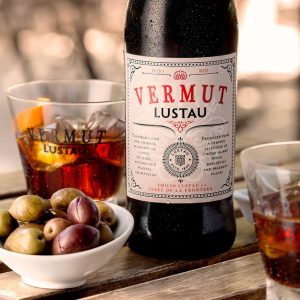
Aperitif always with Vermouth! The Spanish tradition in your glass[/caption]
A properly understood aperitif is not about putting some nibbles on the table and opening any bottle. It's about creating a sequence of flavors that primes the palate, elevates conversation, and turns an informal moment into a gastronomic experience with a Spanish stamp. This pairing guide for the aperitif is designed precisely for that: to hit the right combinations that respect the product, its origin, and the pleasure of eating well.
In Spain, the aperitif has its own hierarchy. It is not a minor prelude to the meal but a ritual with very clear codes: saltiness, freshness, contrast, texture, and the right drink. When the selection is well made, a simple get-together at home becomes a gourmet table. That's where choosing wisely matters.
What defines a good aperitif pairing
A good pairing doesn't aim for food and drink to compete. It seeks balance. For the aperitif, that balance also needs to be nimble. Flavors tend to be more intense — olives, anchovies, boquerones, chips, preserves, aged cheeses, Iberian ham — so the drink needs freshness, acidity, bubbles, or bitterness to cleanse the palate.
There is a simple rule that almost never fails: the saltier, fattier, or more cured the bite, the more it appreciates a lively drink. A Cava brut, a dry white, a fino, or a well-served vermouth work because they organize intensity on the palate. In contrast, an overly tannic wine or an excessively sweet drink can harden the combination and detract from elegance.
It's also worth considering texture. A crunchy aperitif asks for tense, light drinks. A creamy cheese allows for more volume. A high-quality preserved seafood needs a glass that accompanies without covering it. Sophistication isn't about complicating the pairing but about refining it.
Aperitif pairing guide by product
If there is one category that defines the premium Spanish aperitif, it is preserved seafood. Mussels in escabeche, razor clams, clams, tuna belly or high-quality sardines have a marked personality. Here it's best to bet on dry white wines with good acidity, Cavas brut nature, or even a clean-profile white vermouth. The reason is clear: the saltiness and iodized note require freshness. With intense escabeches, Cava often performs particularly well because the bubbles lighten the fatty sensation and enhance the whole.
Iberian ham deserves separate treatment. Not everything goes with great Iberian ham, especially when talking about specially selected, impeccably cured pieces. The infiltrated fat, aromatic persistence, and nutty background call for drinks with character but not invasive. A fino or a manzanilla are superb choices. A dry Cava also works if you want a more festive aperitif. With young reds, the result depends heavily on the wine: if there's excess oak or tannin, the ham loses its finesse.
With cured sausages like lomo, chorizo, or salchichón, the pairing shifts slightly. Lomo, more elegant and dry, appreciates structured whites or sparkling wines. Chorizo, because of its paprika and intensity, accepts light, juicy reds or vermouths with enough bitterness to balance it. Salchichón, more delicate, usually shines with less aggressive options, from a serious rosé to a gastronomic white.
Cheeses demand precision. A cured Manchego pairs very well with friendly-profile reds, dry Cavas, or even a well-tuned red vermouth. Soft, more milky cheeses work better with fresh whites. Blues, if they appear in the aperitif, require care: they are dominant. In that case, small portions and drinks with enough nerve so they don't fade away are recommended. Greater intensity doesn't always mean a better pairing; sometimes the key is to reduce the cheese's protagonism within the ensemble.
Olives, gildas, banderillas, and pickles belong to vermouth's natural territory. Here Spain plays at home. The bitterness, spice, and herbaceous freshness of vermouth find a logical partner in salty and vinegary bites. If the aperitif revolves around this profile, insisting on delicate wines can be a mistake. Vermouth not only accompanies: it organizes the table.
[caption id="attachment_46264" align="aligncenter" width="400"]
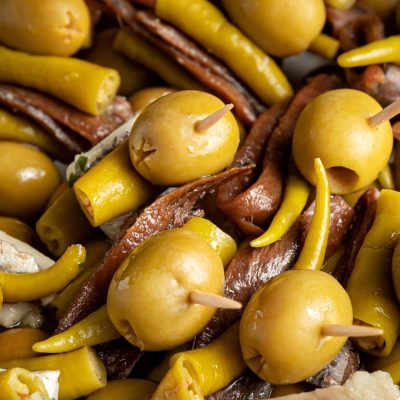
The power of the Gildas: tradition reinvented for the modern aperitif[/caption]
Spanish drinks that elevate any aperitif
Vermouth deserves a central place. Served chilled, with ice if desired, and with a citrus slice or an olive, it is one of the great expressions of the Spanish aperitif. It pairs especially well with preserves, premium potato chips, pickles, nuts, and cured meats. Its virtue is that it brings complexity without demanding too many explanations. It's direct, sophisticated, and deeply gastronomic.
Cava is another extraordinary ally. Not only for celebrations. At the aperitif, a good Cava brut or brut nature resolves a varied table with elegance, which is very useful when Iberian products, cheeses, preserves, and gourmet snacks coexist. The bubbles cleanse, the acidity refreshes, and the whole gains dynamism. If the goal is to impress without complicating service, few options are as effective.
Spanish dry white wines also play an essential role. They are especially recommended when the aperitif is oriented toward the sea: anchovies, boquerones, clams, mussels, scallops, or salted fish. They bring precision and respect the product. For more vegetal or organic profiles, they also pair well with vegetable pâtés, spreadable creams, or Mediterranean-inspired snacks.
And then there is fino or manzanilla, perhaps the most refined choices for those who understand aperitif. Their salinity, verticality, and ability to coexist with almonds, olives, Iberian ham, or seafood make them enormously prestigious options. They're not for every palate, but when they fit, the level of the experience rises immediately.
How to build an aperitif table with good judgment
The best aperitif pairing guide is not about choosing a drink for every product but about designing a coherent table. The smartest approach usually starts from a dominant family. If the focus is on preserves and salt-cured items, it's wise to build around whites, Cavas, or white vermouth. If the spotlight falls on Iberian products and aged cheeses, red vermouth, dry Cava, or certain more structured wines work better.
Variety helps, but excess confuses. Three or four excellent products work better than an accumulation of mediocre references. A great Iberian ham, quality olives, a premium preserve, and a well-chosen cheese are enough for an impeccable table. Spanish gastronomic luxury doesn't need saturation; it needs selection.
Order of service also matters. Start with the most delicate and finish with the most intense. First olives or gourmet chips, then fine preserves, then Iberian products, and finally more aged cheeses. This progression protects the palate and ensures each bite retains its identity. If everything appears at once, the diner enjoys it less even if there is more product.
[caption id="attachment_44788" align="aligncenter" width="400"]
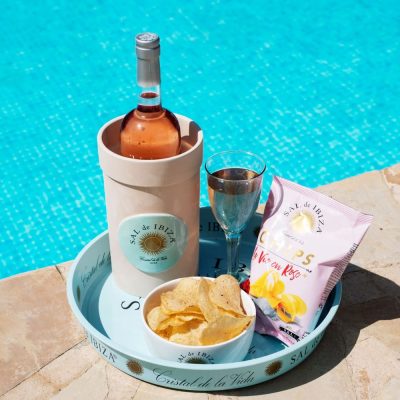
Ibiza Salt: The flavor of the Mediterranean in its purest state[/caption]
Common mistakes when pairing an aperitif
The most common mistake is serving powerful reds as a rule. They may make sense during a long meal, but for the aperitif they usually weigh too much. Saltiness, pickles, acidity, and fat call for a different kind of energy in the glass. Less structure and more freshness.
Another common mistake is mixing too many dominant profiles. If you gather anchovies, blue cheese, spicy chorizo, and intense escabeches, any drink will struggle. The elegant aperitif needs hierarchy. Not every star product should appear on the same day.
Don't neglect temperature either. A warm Cava loses precision. A vermouth that's not cold enough feels heavy. A cheese taken straight from the fridge expresses itself worse. Premium quality requires service to match. That detail, though it may seem minor, makes an obvious difference.
When pairing depends on context
Not all aperitifs aim for the same thing. For a midday gathering, especially good combinations are fresh, saline, and light. If the meeting is longer and closer to lunch or dinner, you can introduce a bit more structure, even a light red with certain cheeses or cured meats.
Who sits at the table also matters. For international guests who appreciate Spanish gastronomy, vermouth, Cava, and premium preserves offer a magnificent gateway to a culinary culture recognized among the world's best. For a more expert audience, a fino with almonds and Iberian ham or a dry white with top-quality anchovies can be even more memorable.
In a curated selection like Made in Spain Gourmet's, the advantage is clear: the aperitif is not improvised, it is built with authentic Spanish products, traceable and chosen for their excellence. And you can taste the difference in every combination.
The big secret lies in this simple gesture: choose less, choose better, and let each product find its natural partner in the glass. When the aperitif is approached this way, the table speaks for itself.
AUTHOR: Israel Romero, CEO of Made in Spain Gourmet.