Guide to Spanish Biodynamic Products
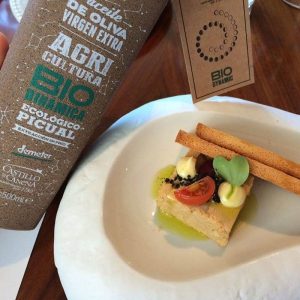
There is a clear difference between buying a biodynamic product as a trend and choosing it with gastronomic criteria. This guide to Spanish biodynamic products starts from a simple idea: when origin, production, and real quality matter, an attractive label is not enough. In Spain, biodynamics properly understood is not an aesthetic gesture, but a demanding way of working the land and bringing products to the table with identity, purity, and a more precise expression of terroir.
What it really means to choose Spanish biodynamic products
In the gourmet universe, the word biodynamic often arouses curiosity and sometimes confusion. It is not exactly the same as organic, although it shares the renunciation of aggressive practices and a respectful approach to cultivation and production. The difference lies in the approach: biodynamics understands the estate as a living organism, seeks balance between soil, plant, animal, and environment, and applies specific calendars and preparations to reinforce that harmony.
Said like that it may sound abstract. In practice, what matters to the demanding buyer is something else: how it translates into flavor, texture, freshness, aromatic cleanliness, and the ability to reflect an origin. That is where great Spanish products set themselves apart. A well-made biodynamic wine does not impress by discourse, but by its tension, honesty, and depth. An extra virgin olive oil worked with the same respect offers a clearer expression of variety, estate, and harvest.
It is also important to say something: biodynamic does not automatically mean better. It means more demanding in the field and, often, more delicate in production. The final result depends on the producer, the climate, the soil, and the rigor with which it is worked. That is why a good selection is worth more than any generic claim.
Guide to Spanish biodynamic products by category
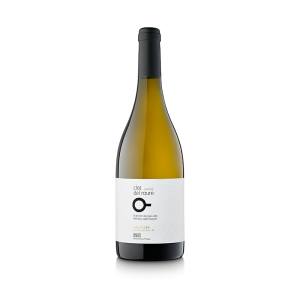
If there is one category where biodynamics has found a particularly convincing voice in Spain, it is wine. Not because of fashion, but because the vineyard translates its place of origin like few other things. In regions with top-level winemaking tradition, some producers have chosen biodynamic viticulture to refine the expression of the landscape and gain authenticity in each bottle.
Spanish biodynamic wines
Top-quality Spanish biodynamic wine typically appeals to a very clear buyer profile: someone looking for precision, character, and a more direct relationship with origin. In whites, this can translate into greater clarity, tension, and a profile less masked by technique. In reds, into more defined fruit, finer tannins, and a sense of energy that distinguishes truly serious bottles.
Here the buying criterion should not focus only on certification. The region, the variety, the vintage, and the producer's style matter. There are
biodynamic wines that are more vertical and mineral, designed for a refined table, and others that are broader, juicier, and more gastronomic, ideal to share with Iberian cured meats, aged cheeses, or hearty stews. The smart move is to buy biodynamic with intention, not as if it were a homogeneous category.
For a gourmet gift, moreover, Spanish biodynamic wine has an obvious added value. It combines prestige, a story of origin, and a contemporary sensibility without losing classical nobility. It is an especially fitting purchase for someone who appreciates high Spanish gastronomy and wants to move beyond the obvious without veering into the extravagant.
Biodynamic extra virgin olive oils
Although less visible than wine,
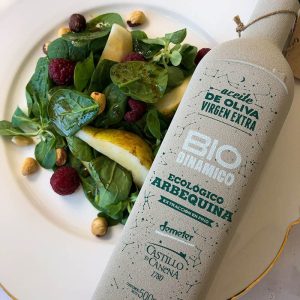
biodynamic extra virgin olive oils deserve attention. In Spain, where olive oil is not a complement but a gastronomic institution, biodynamic work finds a natural ground. When the olive comes from well-cared-for groves, with precise harvesting and impeccable milling, the result can be extraordinary.
What to look for in a premium biodynamic EVOO? Real freshness, clean aroma, elegant bitterness, and a balanced pepperiness that speaks of life and quality, not excess. Varietal definition is also valued. A nervy picual, a more delicate arbequina, or an intentional blend can express very different nuances. Biodynamics does not replace technical excellence, but it can reinforce the authenticity of the sensory profile.
On the table, these oils shine especially in uses where nothing covers them: high-quality bread, roasted vegetables, white fish, mild cheeses, or a simple grated tomato with salt. That is where you understand why a premium oil does not compete on price, but on experience.
Preserves, vegetables and a select pantry
Not all Spanish biodynamic products belong to the liquid world. In a well-built gourmet pantry,
preserved vegetables, artisanal sauces, or garden preparations from crops worked with the same respect also make sense. Here the value lies in the raw material and the cleanliness of flavor.
An asparagus, a pepper, a legume, or a tomato sauce of great origin does not need artifice. It needs product. And when the cultivation has been managed with biodynamic criteria and the preparation is sober, the result is usually purer, more straightforward, and more gastronomic. This category is particularly interesting for consumers seeking organic or plant-based options without giving up sophistication.
How to recognize a good biodynamic selection
The best guide to Spanish biodynamic products is not about repeating seals, but teaching how to discriminate. The first is origin. Spain has extraordinary agricultural and gastronomic richness, but not all areas express each category in the same way. A premium product should always say something about its place.
The second is traceability. Knowing who produces, how they work, and under what criteria they select raw materials adds much more value than a generic promise. In biodynamics, this is decisive because the consumer often pays a premium and has the right to expect coherence, not just marketing.
The third is the balance between craftsmanship and reliability. Artisanal production seduces, and rightly so, but it must be accompanied by consistency. In a serious gourmet ecommerce, curation matters precisely for that reason: it filters out the noise and leaves only references with real level, continuity, and prestige.
Who should consider choosing biodynamic
You don't need to be an expert to enjoy these products, but it helps to know what you are looking for. If the goal is to fill the pantry at the lowest possible cost, biodynamics is probably not the right path. If, on the other hand, you want to buy less and better, give thoughtful gifts, or elevate a dinner with top-quality Spanish products, then it makes perfect sense.
It also fits well with a European consumer who already buys gourmet with criteria and seeks Spanish authenticity without confusing intermediaries. For an expatriate, it can be a refined way to reconnect with native flavors. For a host, an impeccable way to offer something different. And for someone who appreciates detail, biodynamics adds a layer of meaning that does not get in the way of pleasure, but sharpens it.
What to expect when buying premium biodynamic products
It is wise to adjust expectations. Sometimes people expect overwhelming intensity and find something else: more precision than power, more purity than volume. That is not a shortcoming. It is, many times, the sign of a less intervened and better-focused product.
You must also accept that not all taste profiles are for everyone. Some biodynamic wines are tenser or less obvious than other commercial styles. Some premium oils show more pronounced bitterness and pepperiness. The key is to understand that those traits, when well integrated, are part of their high-category identity.
In a curated selection like the one at
Made in Spain Gourmet, the value lies precisely in avoiding unnecessary extremes and gathering Spanish biodynamic products that are faithful to their origin, gastronomic, and truly enjoyable. That combination of criteria, prestige, and pleasure is what turns a purchase into a meaningful experience.
Choosing biodynamic is not about following a green trend with premium packaging. It is about recognizing that great Spanish products, when born from well-worked land and arrive at the table with honesty, offer something increasingly rare: authenticity with gastronomic elevation.
AUTHOR: Israel Romero, CEO of Made in Spain Gourmet.