The question should not be whether one option is good and the other bad. The food industry provides essential safety controls, consistency and distribution capacity. However, when looking for a superior gastronomic experience, it is worth understanding what each method truly represents and which details help you choose with confidence.
Artisan or Industrial Preserves: The Real Difference
The main difference is not simply that one tin is produced in a small facility and another in a large one. Every commercial preserve must comply with strict food safety regulations and use sterilisation processes that guarantee stability. The real distinction appears in the selection of raw materials, production rhythm, level of manual work and the intention to preserve the character of the product.
In artisan preserves, production is often linked to specific seasons, local fish markets and carefully selected species at their peak moment. Fish arrives fresh, is cleaned and prepared by hand, with greater attention given to each individual piece. In vegetables such as white asparagus, piquillo peppers or artichokes, producers focus on size, ripeness and texture. The result does not need to be identical in every tin; that slight variation is precisely part of its authenticity.
Industrial preserves rely on more standardised processes, larger volumes and a level of consistency designed to deliver the same result throughout the year. This can provide excellent value, availability and reliability. It is not a flaw in itself. The problem appears when uniformity is confused with gastronomic excellence or when a premium price is paid for a product without distinctive quality or craftsmanship.

Origin Comes Before the “Artisan” Label
The word “artisan” is attractive, but it should never replace meaningful information. A truly exceptional preserve should explain what it contains, where it comes from and how it has been made.
For seafood preserves, the fishing area, species and season are essential details. A small sardine from the Galician Rías, Bonito del Norte caught during its traditional season or mussels cultivated in certified waters all carry an identity connected to their origin.
The same applies to vegetable preserves. A piquillo pepper from Lodosa, Navarra artichokes or Spanish white asparagus are valued not only for their name. Their reputation comes from the variety, the soil, the harvest and the speed at which they are transformed after picking. When the product reaches the production facility quickly, it preserves its natural firmness, colour and flavour.
A well-designed label should therefore offer more than attractive marketing. Look for the specific species, country or region of origin, type of covering liquid and, when available, recognised quality certifications. If the information is vague, the gourmet promise becomes weaker.
Seasonality Is Not an Inconvenience — It Is an Advantage
The finest preserves respect the ideal moment of each ingredient. Bonito del Norte has its own season; cockles have their preferred sizes and origins; tomatoes have their moment of perfect ripeness. Working according to this rhythm requires knowledge and planning, but it allows products to be preserved when they are at their best.
A brand that speaks about fishing seasons, calibres or local markets is focusing on what truly matters: quality before the tin is sealed. This is a decisive difference compared with production based only on constant availability.
Handmade Craftsmanship Can Be Seen When You Open the Tin
There are gestures that machines can accelerate but cannot fully replace when aiming for exceptional quality. Peeling a pepper by hand, arranging tuna loins carefully, cleaning razor clams or selecting seafood pieces individually all influence the final presentation and texture.
A great artisan preserve offers whole, recognisable pieces arranged with care. Tuna loins remain intact; mussels have balanced size; asparagus maintains a clean texture without excessive fibre. In recipes with sauces, the sauce should accompany rather than hide the ingredient. A delicate escabeche adds acidity, spices and depth, while a well-made scallop sauce enhances seafood without overpowering it.
The covering liquid also matters. Extra virgin olive oil, high-quality olive oil or a carefully balanced escabeche can elevate a preserve significantly. On the other hand, flat oils or sauces that are excessively sweet, salty or heavy often reveal a process designed for standardisation rather than emotion.
What to Look For When Choosing Premium Preserves
You do not need to be an expert to buy better. Before choosing, pay attention to four elements that reveal more than attractive packaging:
The raw ingredient: the exact species, size or calibre, origin and, for seasonal products, reference to the harvest or fishing season.
The ingredients: a short ingredient list is usually a positive sign. Fish or vegetables, oil, salt, spices and quality acids are often enough for exceptional preserves. Additives are not always negative, but they should not dominate.
The format and presentation: whole pieces, clean cuts and a balanced amount of covering liquid indicate care. A swollen, damaged or rusty tin should always be avoided.
The price in context: premium preserves cost more because raw materials may be limited, manual work requires time and production is often smaller. A high price alone does not guarantee quality; it must be supported by information and results.
The best-before date also deserves an intelligent interpretation. Quality preserves can improve over time, especially seafood preserved in oil. Age can integrate flavours and soften textures. However, this only makes sense when stored correctly, in a cool, dry place away from light.
When to Choose Artisan and When to Choose Industrial
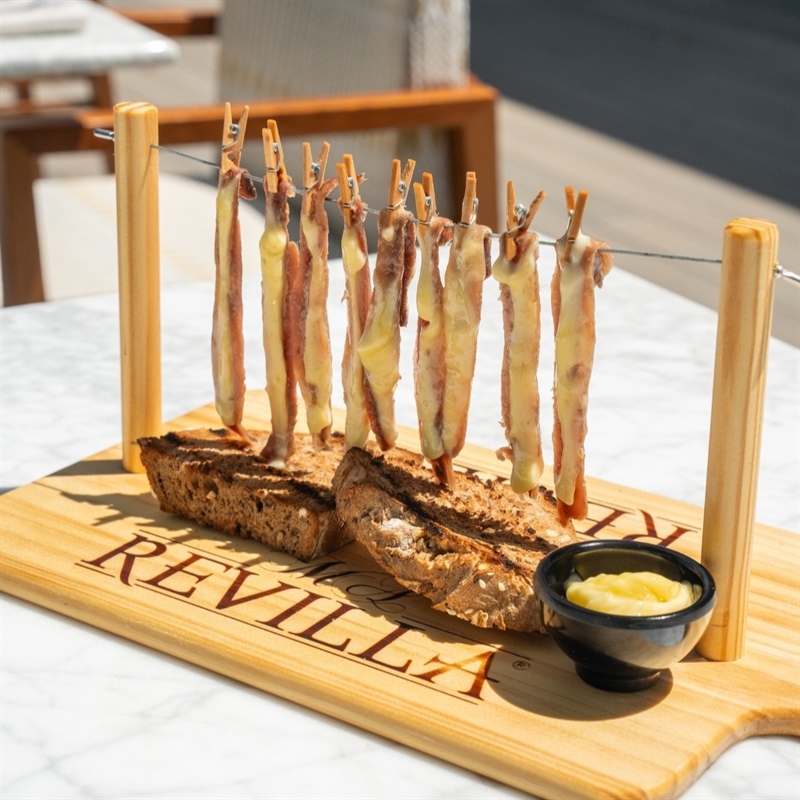
For a special aperitif, a gourmet gift or a table where the product is served almost without transformation, artisan preserves have a clear advantage. Selected anchovies, scallops in a delicate sauce or tuna belly in olive oil can become the centre of the plate with sourdough bread, boiled potatoes or a glass of Spanish white wine. Here, every detail matters.
High-quality industrial preserves, however, can be an excellent choice for everyday cooking, larger quantities or recipes where the tin becomes part of a more complex preparation. A good crushed tomato for a sofrito, reliable cooked legumes or tuna for a family salad offer practicality and efficiency. Gourmet criteria do not mean rejecting convenience; they mean knowing when excellence deserves to take centre stage.
Not all artisan preserves follow the same philosophy. Some highlight the pure flavour of the ingredient with minimal seasoning, while others create traditional recipes with marinades, sauces and spices. The right choice depends on the occasion. For an aperitif board, look for purity and beautiful presentation. For seafood rice or pasta dishes, a well-crafted sauce may be exactly what the recipe needs.
Spain’s Preserve Tradition: A Heritage of Excellence
Spanish preserves hold an international reputation for a simple reason: they combine extraordinary raw materials with generations of knowledge and craftsmanship.
Galicia has transformed canned seafood into a true gourmet category. The Cantabrian coast has given worldwide recognition to Bonito del Norte and anchovies. Navarra and La Rioja defend a vegetable tradition where produce is preserved to celebrate its season, not to disguise it.
This tradition is not frozen in the past. The finest Spanish producers maintain careful techniques while applying rigorous controls to guarantee safety and consistency. This combination of craftsmanship and precision is what makes a premium Spanish preserve an accessible luxury.
At Made in Spain Gourmet, our selection of preserves follows this same principle: Spanish products with origin, craftsmanship and flavour capable of creating a memorable table. It is not about collecting tins; it is about choosing pieces with identity.
The next time you open a preserve, serve it on a plate, observe the piece and taste the oil or sauce first. That simple gesture changes the experience: a great preserve is not eaten in a hurry — it is appreciated.

AUTOR: Israel Romero, CEO de Made in Spain Gourmet.