What to serve with gourmet preserves
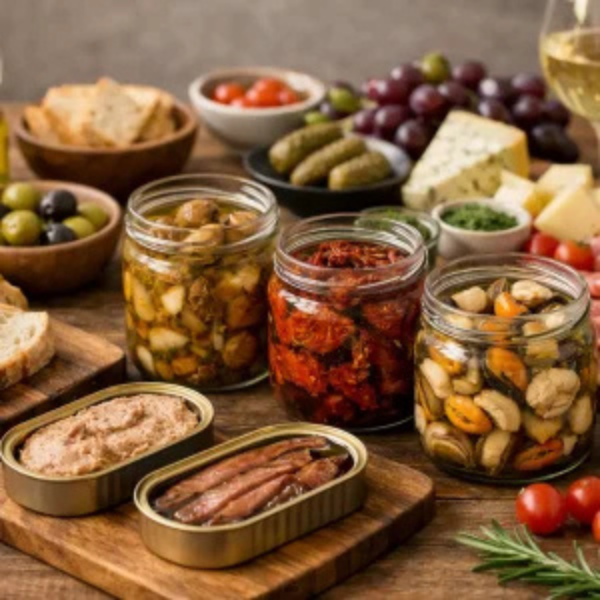
Opening a good
canned good is not about quickly fixing dinner. It’s about sitting at the table with one of the great prides of the Spanish pantry. If you wonder what to serve with gourmet preserves, the answer is not to disguise the product, but to choose just enough so its quality shines even more brightly.
An excellent ventresca (tuna belly), carefully selected razor clams or top-quality mussels in escabeche already bring flavor, texture, origin and craft. The ideal accompaniment should respect that identity. When you get it right, the result is immediate: a refined appetizer, a light dinner with presence, or a grazing board with an authentic Spanish stamp.
What to serve with gourmet preserves without covering the product
The first rule is simple and decisive: less is more. Gourmet preserves don’t need excessive sauces, aggressive mixes or overloaded garnishes. They need balance. Good bread, a well-chosen pickle, a clean‑profile extra virgin olive oil or a suitable drink can elevate the whole much more than a complicated recipe.
It’s also worth thinking about the intensity of each preserve. A mild melva (melva tuna) does not pair the same as a smoked sardine, nor do delicate clams pair like bonito del norte in oil. The finer and more elegant the product, the subtler the surroundings should be. The more character it has, the more sense there is in adding contrast, freshness or crunchy texture.
Breads, picos and bases that add value
Bread is the first natural accompaniment for almost any gourmet preserve. But not just any bread. For shellfish and fine preserves, lighter‑crumb breads with a discreet crust work better, such as a soft ciabatta or a well‑toasted white boule. They provide support without stealing the spotlight.
Picos, regañás and artisanal crackers also have a clear role, especially for appetizers. They go particularly well with melva, mackerel, small sardines or marine pâtés because they add dry texture and allow you to assemble small, clean and very elegant bites. That said, if they are too salty or heavily spiced, they break the balance.
With preserves in sauce or escabeche, bread becomes even more valuable. A good mussel in escabeche asks for proper bread to take advantage of that flavorful broth that concentrates part of the product’s character. Avoid sweet breads or those with very aromatic seeds, as they alter the overall profile.
Pickles, piparras and vegetables
If there is one family of accompaniments that understands the Spanish aperitif, it’s this one. Well‑selected
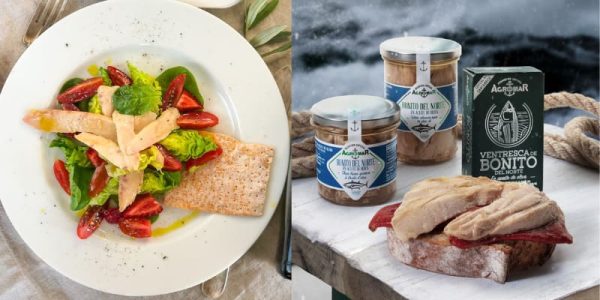
pickles bring acidity, freshness and a magnificent counterpoint to fatty or intense preserves. A Basque piparra, fine gherkins or pickled pearl onions work especially well with ventresca, melva and mackerel.
Banderillas (skewered pickles) also have their place, although moderation is advisable. They are perfect for informal boards and vermouths with character, but they don’t always fit a preserve with a more delicate profile. With razor clams or premium clams, for example, it’s preferable to opt for something cleaner, like tender greens or thin slices of fresh fennel.
Tomato, when it’s good, also accompanies nobly. A very natural grated tomato, without excess, on toasted bread can be an excellent base for bonito, melva or sardines. The key is that it tastes like real tomato and not turn the preserve into a secondary ingredient.
Oil, citrus and minimal dressings
A top‑quality preserve usually doesn’t need dressing. In fact, many times it already comes in the perfect oil or escabeche. However, there are nuances that can fine‑tune the experience. A drizzle of fruity, elegant extra virgin olive oil can enhance preserved fish when served on bread or in a warm salad.
Lemon deserves a separate chapter. Used well, it lifts. Used badly, it overwhelms. For preserved shellfish—cockles, razor clams, clams—a few drops can add brightness. In contrast, overdoing acidity on a delicate ventresca or a premium bonito masks the subtlety and impoverishes the result.
Fresh herbs should be used with the same caution. A little chive, fennel or parsley can add freshness. But if the goal is to enjoy a high‑end artisanal Spanish preserve, the dressing should never be the protagonist.
Which cheeses and cured meats truly fit
Here it pays to be selective. Not everything works on a mixed board. Some gourmet preserves coexist wonderfully with mild or semi‑cured cheeses, especially if you’re aiming for a broad appetizer board with different registers. An overly strong cured cheese can completely eclipse delicate clams or small sardines.
Preserves of tuna, bonito or melva pair well with buttery or balanced semi‑cured cheeses. Escabeches, on the other hand, appreciate more distance, because adding strong cheese plus vinegar can be excessive. With fine shellfish, the best decision is usually not to mix cheese in the same bite.
The same happens with cured meats. A high‑quality Iberian ham can share the table with premium preserves without problem, but not necessarily on the same toast. They are two noble universes that deserve their own space. If served together, it’s ideal to build a sequence of appetizers, not an indiscriminate mixture.
Drinks: the accompaniment that changes the experience
Those wondering what to serve with gourmet preserves usually think first of food, but the drink determines much of the result.
A well‑served vermouth with an olive and ice is a classic pairing for mussels, cockles and bold appetizers. Its bitter and spiced notes accompany escabeches and mild salazones very well.
Spanish white wines are a particularly fitting choice for preserved shellfish and delicate fish. A fresh white, with good acidity and a clean profile, respects the product and adds elegance. Quality sparkling wines also work very well with razor clams, clams and preserves that call for lightness.
For small sardines, mackerel or more intense proposals, a gastronomic rosé or even a well‑chilled beer can give an excellent result. The important thing is not to follow a rigid rule, but to avoid drinks that are too heavy, cloying or dominated by oak. When the preserve is premium, the harmony must be precise.
Ideas by type of preserve
Shellfish preserves call for sober accompaniments. Razor clams, clams or cockles shine with thin toasted bread, a few drops of lemon if appropriate and a fresh drink. Adding much more is often a mistake.
Ventresca, bonito del norte and melva allow more play. They work very well with natural tomato, mild roasted peppers, delicate piparras or a quality bread base. They are ideal for elegant tapas and quick dinners with presence.
Small sardines, mackerel and mussels in escabeche accept accompaniments with more punch. Here pickles, artisanal potato chips, regañás or a characterful vermouth fit better. These are preserves that can sustain contrasts with confidence.
Pâtés and gourmet spreads, for their part, ask for texture. Thin toasts, artisanal crackers, not‑too‑sweet fresh fruit or even mild nuts can build a refined appetizer. But even here you must measure: too many elements turn the tasting into noise.
Common mistakes when serving gourmet preserves
The first is serving them too cold. If they come straight from the fridge, the nuances are muted and the oil loses expression. Ideally, let them come to temperature for a few minutes so they recover aroma and texture.
The second mistake is dumping them carelessly onto any plate. A good preserve deserves a clean, simple and well‑thought presentation. Not for empty aesthetics, but because the premium experience also begins with the eyes.
The third is pairing them with low‑quality ingredients. Mediocre bread, a common olive or an indiscriminate cheese can ruin an excellent preserve. When the main product is artisanal, Spanish and gourmet, everything around it should be up to the task.
How to assemble a Spanish appetizer with good judgement
If you want to get it right without complicating things, think balance. Combine a mild preserve, a more intense one, good bread, a fine pickle and a well‑chosen drink. That formula almost always works because it offers contrast without saturating.
For example, you can serve ventresca with natural tomato on toast, mussels in escabeche with regañás and some piparras on the side. Or razor clams au naturel with thin bread and a fresh white, letting the product do all the work. That is true sophistication: intervening little when the quality is indisputable.
In a curated selection like Made in Spain Gourmet’s, this is especially well understood. The best Spanish preserves are not made to hide among adornments. They are made to preside over the table.
Serving a gourmet preserve well is a gesture of respect for the product, its origin and the Spanish preserving tradition. And when you choose wisely, even the simplest appetizer acquires something extraordinary: the unmistakable feeling of having put the best on the table.

AUTHOR: Israel Romero, CEO of Made in Spain Gourmet.