Spanish rice for paella: which to choose
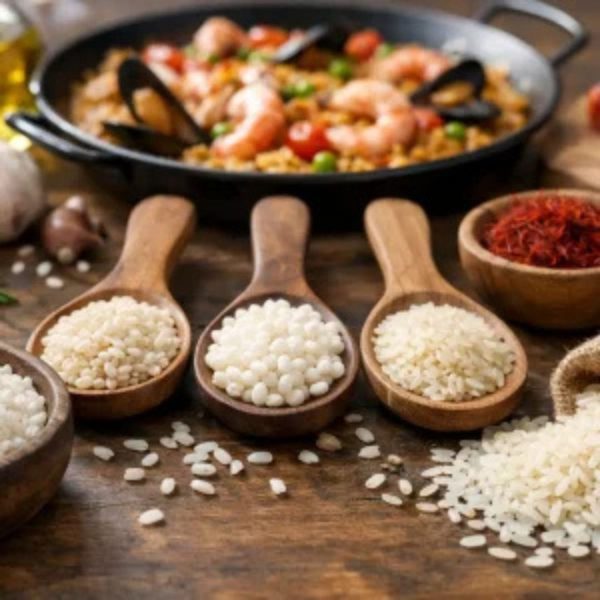
There is no memorable paella if the grain fails. You can have an excellent sofrito, a deep stock and a magnificent main ingredient, but if the rice doesn’t absorb well, doesn’t hold its structure, or overcooks, the result loses its rank. That is why talking about Spanish rice for paella is not a minor detail, but the true starting point of a recipe that demands respect for origin and technique.
In Spain this has been known for generations. Paella is not improvised with any rice. It is made with varieties selected for their ability to absorb flavor, withstand cooking and offer that loose but creamy interior texture that distinguishes a well-made paella from a simple pan rice. There lies the difference between cooking and truly cooking.
What a good Spanish paella rice should have
The best rice for paella is not the longest, not the most attractive raw, nor the cheapest. What matters is its behavior in the paella pan. A great Spanish rice for paella should generously absorb the stock, distribute flavor evenly and keep the grain whole without splitting or clumping.
That absorbing capacity is key. In an authentic paella, the rice isn’t covered with sauces nor corrected at the end. Everything is decided during cooking. The grain must capture the base of the sofrito, the noble fat of the main ingredient, the depth of the stock and the exact point of the heat. If it lacks structure, the recipe falls apart. If it absorbs too quickly and breaks, it fails too.
That is why Spanish varieties remain the reference. It’s not a question of culinary patriotism, but of real performance in the kitchen. Spain has developed an extraordinary rice culture, with varieties designed for dishes where rice is the protagonist and not a mere accompaniment.
The most valued varieties for an authentic paella
When talking about top-quality paella, there are three names that deserve attention: bomba, sénia and albufera. Each offers a different result, and choosing well depends on the type of paella you want to prepare.
Bomba rice
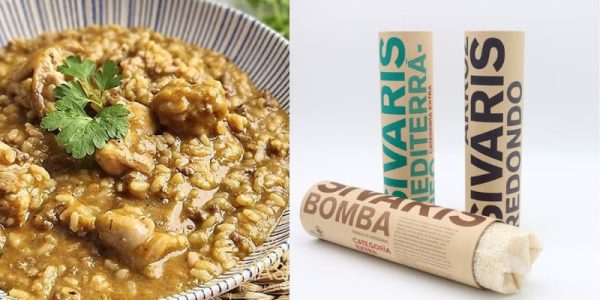
Bomba rice is probably the best known and most prestigious. Its reputation is justified. It absorbs a large amount of stock without losing its shape, which allows you to achieve great depth of flavor with a firm, elegant grain. It is a premium choice for those seeking precision and reliability in cooking.
It does have an important caveat. Bomba gives nothing away. It usually requires more stock and careful timing. In return, it responds with excellent texture and great tolerance to doneness. For high-level seafood, chicken or mixed paellas, it is a safe bet.
Sénia rice
Sénia is more delicate and more gratifying on the palate. It absorbs flavor very well and offers a more creamy texture, more integrated with the base of the stew. Many chefs prefer it when they want a paella with a juicier, more savory profile.
Its limit lies in cooking. It has less margin for error than bomba, so it is advisable to respect proportions and times with greater discipline. If mastered, the result is splendid. If neglected, it can overcook more easily.
Albufera rice
Albufera occupies a very interesting middle ground. It combines good absorption with notable resistance, making it a very balanced option for those who want both flavor and control. In recent years it has earned a privileged place among those who value traditional paella but demand consistency.
It is not always the best known outside Spain, but gastronomically it deserves a lot of attention. For many palates, it brings together the best of both worlds: intensity and stability.
Not all rices are suitable, even if they seem to be
Here it is worth being clear. Long-grain rice, parboiled rice or rice intended as a side dish are not suitable for a serious paella. They can be cooked, yes. They can even produce an acceptable result to uncritical eyes. But they do not offer the absorption, texture or nobility that a benchmark Spanish recipe demands.
Nor does any round rice automatically suffice. Within round rices there are qualities, origins and very different behaviors. In a gourmet category, the difference between an adequate rice and an excellent one is noticeable from the first bite. And it is even more noticeable when the rest of the ingredients are up to the task.
If you invest in good saffron, in a
premium extra virgin olive oil, in quality seafood or in selected meats, it makes perfect sense to choose Spanish rice with a verified origin. It is the base that unites the whole.
How to choose rice according to the paella you will cook
There is no single universal answer. There is the right variety for each intention. If you seek an elegant paella, with loose, defined grains and great absorption capacity, bomba is often the most refined choice. If you prefer a creamier sensation and an especially flavorful rice, sénia can give you a magnificent result. If you want balance between absorption and resistance, albufera stands out with authority.
The cook’s experience also influences the choice. Someone who prepares paellas occasionally will usually feel more comfortable with varieties that offer greater stability. Someone who cooks frequently can afford more delicate rices and play more precisely with the exact doneness. It is not a question of elitist level, but of the product’s behavior.
The type of heat source also matters. A paella cooked over wood gives different nuances than one cooked on gas or ceramic glass, and that affects the evaporation of the stock. Over livelier or more irregular heat, a rice with a good margin of resistance usually offers more control. In more predictable kitchens, it is easier to work with sensitive varieties.
Origin does make a difference
In premium gastronomy, origin is not commercial decoration. It is a guarantee of productive culture, know-how and consistency. In the case of Spanish rice for paella, traditional growing areas have perfected for decades the conditions to obtain grains suitable for the most demanding recipes.
Valencia occupies a central place in this conversation, as is natural. There rice is not just a crop, but a culinary heritage. The relationship between variety, soil, humidity, tradition and cooking has given rise to rices with their own identity and international recognition. When the package indicates a well-defined origin and a specific variety, it is offering much more than technical information. It is offering trust.
For a gourmet consumer in Europe, that traceability is essential. Buying authentic Spanish rice is not just acquiring an ingredient, but bringing home a serious piece of Spanish gastronomic culture. And you can taste it on the plate.
Common mistakes when cooking paella with Spanish rice
The first is rinsing the rice. In traditional paella you don’t want to remove that surface starch that helps build texture and integrate flavor. Another common mistake is stirring it after it has been spread. Paella requires order, not anxiety. The rice should settle and cook without being constantly agitated.
Often the ratio of stock is wrong. Not all rices absorb the same, and using the same measure for all varieties is a recipe for disappointment. Bomba usually requires more liquid than other options. Sénia, on the other hand, demands greater attention because its absorption is quick and effective.
And then there is the heat. Starting vigorously and finishing precisely is part of the technique. If the heat doesn’t cooperate, the rice can be hard on top and overcooked below, or lose that dry, clean point that defines a great paella. The socarrat, when it appears, should be the consequence of control, not of accident.
What someone buying premium rice for paella is really looking for
Whoever chooses a Spanish gourmet rice is not just looking to cook. They want to do it well. They seek authenticity, origin, reliability and an experience worthy of Spain’s most respected product. That demand makes sense. Paella holds an emblematic place in Spain’s cuisine and deserves ingredients consistent with its prestige.
That is why a good rice is not measured only by price, but by what it guarantees: consistency, absorption, texture and character. At a well-set table, where the appetizer,
the wine and the products have been chosen with care, the paella must be at the same level. It does not admit vulgar shortcuts.
In a specialized selection such as
Made in Spain Gourmet,
rice ceases to be a routine purchase and becomes a gastronomic choice. That difference matters, especially when cooking to share, celebrate or recall a taste of home far from Spain.
Choosing the right rice is starting the paella with the respect it deserves. The rest — the base, the heat, the timing and the hand — will do their part, but the correct grain will already have decided an essential part of the success.
AUTHOR: Israel Romero, CEO of Made in Spain Gourmet.