How to Assemble a Spanish Platter Successfully
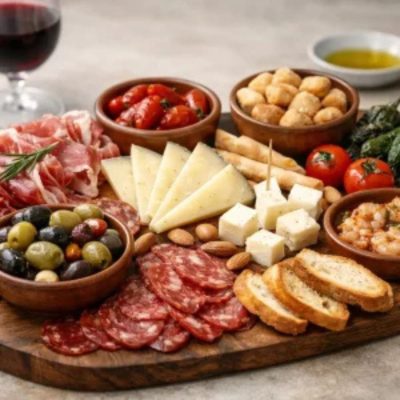
There are platters that simply fill a table, and there are platters that turn it into a statement of intent. If you’re wondering how to assemble a Spanish platter, the key isn’t to put in a lot, but to choose well. A good platter speaks of origin, product and judgment. And when the product is Spanish, the bar is high.
The Spanish platter doesn’t need gimmicks to impress. It needs real ham, cheeses with character, excellent preserves, crunchy picos, and an arrangement thought out so every bite makes sense. That’s what separates a pretty presentation from a gourmet experience.
What makes a Spanish platter special
It’s not about copying an international platter and adding a couple of slices of chorizo. A well-assembled Spanish platter has its own identity. It relies on a pantry worldwide recognized for its quality: ibéricos, artisanal cheeses, olives, gildas, premium preserves, nuts, breads and, if you want to elevate it further, a bottle of wine, cava or vermouth to match.
The difference lies in the balance between intensity, texture and origin. Spain offers bold products, but an excellent platter shouldn’t overwhelm from the first bite. It’s advisable to combine noble pieces with fresh, saline and crunchy flavors. The result should invite you to keep eating, not give up after ten minutes.
How to assemble a Spanish platter step by step
The first step is to define the occasion. A platter for a midday aperitif is not the same as one for an informal dinner or a gourmet gift prepared at home. If it’s going to be the center of the gathering, you’ll need more variety and volume. If it accompanies a glass of wine or vermouth, it’s better to be more precise and less abundant.
The number of people also matters. For 4 to 6 guests, a platter with 5 or 6 well-chosen items usually works better than an excessive composition. Abundance impresses only when it maintains order. If everything competes, nothing stands out.
Start with a high-quality backbone
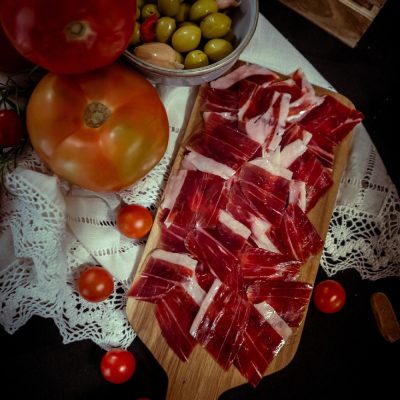
Every serious Spanish platter needs a backbone. This is usually formed by the ibéricos and cheeses. Ibérico ham is the most elegant and universal reference. It provides depth, fine fat and that lingering note that defines a premium table. If you prefer more variety, ibérico lomo and artisanal chorizo work very well, but it’s best not to mix too many cured sausages with similar profiles.
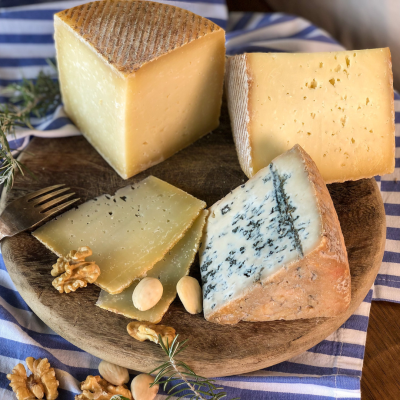
With cheeses, the ideal is to play with intensities. A cured manchego offers firmness and prestige. A semi-cured sheep’s cheese gives a gentler entry. And a Spanish blue or an artisanal goat cheese can close the platter with a bolder note. It’s not necessary to include all three at once, but contrast should exist.
Add counterpoints that give rhythm
This is where many platters fail. They include excellent cured products, but forget relief between bites. Selected olives, banderillas, gildas or quality preserves provide acidity, saltiness and freshness. They are essential for the platter to breathe.
Premium
Spanish preserves deserve their own place. Razor clams, pickled mussels, ventresca or high-quality sardines elevate the platter and give it personality. They also introduce a clearly Spanish and very sophisticated dimension. Not everyone expects to find the sea on a platter, and that’s precisely why it works.
The
nuts, especially fried or Marcona almonds, add texture and a toasty, gastronomic note. Picos, regañás or neutral crackers are better than overly aromatic breads. They should accompany, not dominate.
The right balance between cured meats, cheeses and snacks
If you’re looking for a simple formula that won’t fail, think in three layers. First, two or three main products. Then, two accompaniments that cleanse the palate. Finally, one or two crunchy elements.
A solid example would be ibérico ham, ibérico lomo and cured manchego as the base; olives and pickled mussels as counterpoints; and artisanal picos with almonds to finish. A milder option could combine semi-cured sheep’s cheese, artisanal fuet and ventresca, with piparras and thin toasted bread.
The important thing is not to mix too many extreme intensities. If there is already a powerful blue cheese, perhaps spicy chorizo is unnecessary. If you choose several pickled preserves, it’s better to reduce other pickles. Assembling a Spanish platter requires judgment, and judgment often consists of removing, not adding.
Presentation: order, temperature and aesthetics
A gourmet platter is first seen with the eyes, but it’s remembered by how it’s eaten. That’s why the presentation must be elegant and functional. Cured meats should be placed in loose folds or slightly separated slices so they can be picked up easily. Cheeses should be cut or at least marked, because nobody wants to struggle with a hard wedge in the middle of the aperitif.
Preserves and pickles can go in small bowls. They not only look better, they also prevent liquids from invading the rest. Nuts and breads fill gaps and give visual structure. The result should look generous, but not compacted.
Temperature is decisive. Ham and cured meats should not be served cold from the fridge, because they lose aroma and texture. Take them out in advance so they express their full quality. The same goes for cheeses. On the other hand, some preserves and drinks do benefit from being chilled. That difference creates a livelier and more refined platter.
What not to do
A common mistake is seeking variety without hierarchy. Accumulating excellent products does not guarantee an excellent platter. Another frequent error is using jams or sweet fruits automatically. Sometimes they fit, but in a classic Spanish platter they can divert the profile toward something less authentic. If included, do so with moderation and purpose.
Don’t overdo the bread either. A premium Spanish platter focuses on the product. Bread accompanies, it never dominates. And, of course, visual quality matters: an improvised platter with visible packaging detracts value even from the best assortment.
Drinks that elevate the experience
The right drink is not a minor detail. A structured
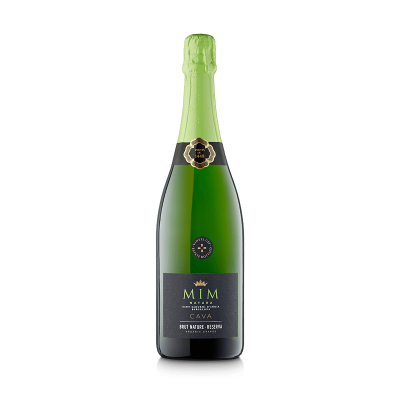
red wine pairs very well with ibéricos and cured cheeses. A brut cava brings cleanliness and makes the platter feel more festive. A well-served vermouth, with an olive or orange peel, fits wonderfully when the platter has pickles, preserves and salty snacks.
There are nuances here as well. If the platter relies heavily on seafood and classic Spanish aperitif items, a fresh white or sparkling wine often works better than a bold red. If ham, lomo and firm cheeses predominate, red wine regains prominence. It all depends on the actual weight of each product.
How to adapt the platter to the type of guest
One of the virtues of Spanish gastronomy is its breadth. You can assemble a more classic, more festive or even more contemporary platter without losing identity. For guests who love traditional products, it’s best to opt for ibéricos, manchego cheese, selected olives and emblematic preserves. For a more curious audience, you can introduce a gourmet pâté, artisanal snacks, a lesser-known cheese or an organic selection.
If there are specific dietary preferences, there’s room to adapt. A Spanish platter can be built without meat and still be extraordinary, relying on cheeses, premium preserves, olives, nuts, pickles and quality crackers. Even a well-crafted vegan version, with vegetable pâtés, pickles, nuts and gourmet snacks, can retain that sophisticated air expected from a thoughtfully composed Spanish table.
How to assemble a Spanish platter to give as a gift or to impress
When the goal is to impress, the selection should convey judgment from the first glance. Fewer items, but better ones. A top-quality ibérico ham, a denominated cheese, premium preserves, selected olives and a good wine already make a powerful offering. You don’t need more to make it clear you understand product.
In that realm, curing makes all the difference. That’s why a specialist like
Made in Spain Gourmet is especially valuable for those who want to build a premium Spanish experience without room for error. Prestige isn’t in mixing many things, but in gathering the right ones.
Assembling a Spanish platter well is, at heart, an act of hospitality with judgment. It speaks of taste, respect for the product and a very Spanish way of understanding pleasure: sit down, serve something extraordinary and let the table do the rest.
AUTHOR: Israel Romero, CEO of Made in Spain Gourmet.