How to Buy Spanish Wine Online the Right Way

Buying an excellent Rioja and receiving it at home in perfect condition shouldn’t be a lottery. If you wonder how to buy Spanish wine online, the key is not choosing the most famous bottle or the flashiest label, but knowing how to read origin, style, storage and the reliability of the shop. That’s where a correct purchase stops being impulsive and starts to resemble what Spanish wine really is when well chosen: culture, prestige and gastronomic pleasure.
How to Buy Spanish Wine Online with Good Judgment
The first filter is not price. It’s origin. Spain produces some of the most admired wines in the world because it combines tradition, climatic diversity and an extraordinary wine culture. But not all wines suit the same occasion or expectations. An old, sun‑soaked Garnacha doesn’t behave like an Atlantic Albariño, and a Crianza Ribera del Duero does not offer the same experience as a
cava brut nature.
Buying well starts by asking yourself what you want to drink and when. If you’re looking for a bottle for a special dinner, prioritize structure, balance and the ability to accompany the meal. If you want a wine for an aperitif, freshness, tension and a clean aromatic expression matter more. It may seem obvious, but many bad purchases happen by doing the opposite: first the offer, then the need.
In a specialized shop, the wine is better contextualized. It’s not presented as a mere item but as a reference with identity. That difference matters a lot online, where you can’t touch the bottle or talk to the sommelier. The clearer the information on denomination of origin, grape variety, winery, winemaking and tasting notes, the easier it is to buy with confidence.
What to Look at Before Adding a Bottle to Your Cart
The denomination of origin is still a very useful compass, though not the only one. Rioja, Ribera del Duero, Rías Baixas, Priorat, Jerez, Toro, Bierzo, Rueda or Penedès are names with international weight because behind them there is territory, rules and style. They don’t guarantee excellence by themselves, but they do provide a basis of trust. When you buy online, that base is valuable.
The vintage also deserves attention, although it depends on the type of wine. In young whites and sparkling wines, freshness is usually a virtue. In reds with ageing, a settled vintage can offer a rounder bottle. There’s no single rule. A wine to drink now and a wine with ageing potential require different readings. If the product page doesn’t clarify the intended consumption window, an important piece is missing.
Another decisive point is the winery. There are historic houses that represent an impeccable classic line and smaller projects that work with an artisanal approach, focused on parcel, soil and minimal intervention. No approach is superior by default. It depends on your taste. What matters is coherence: recognizable origin, careful winemaking and a clear value proposition.
It’s also worth paying attention to the format of the description. When a shop only talks about promotions, discounts and urgency but doesn’t explain the wine, the purchase loses depth. Premium Spanish wine deserves more than a crossed‑out price. It deserves context, because context helps you get it right.
Price Doesn’t Always Tell the Whole Story
In wine, paying more doesn’t guarantee you’ll enjoy it more. It does usually increase the likelihood of better grape selection, more precision in the cellar and more integrated ageing, but there are regions and producers with an excellent quality‑to‑price relationship. Spain remains one of the countries where the average level is very attractive to the discerning buyer.
That said, be wary of suspiciously low prices on references that should occupy a different range. It may be a legitimate clearance, or it may indicate poor storage, excess stock or a non‑selective commercial policy. With delicate products, trust is worth as much as the label.
How to Choose According to Your Taste, Not According to Fads
If you like powerful reds, look for regions and styles with concentration and well‑worked ageing. Ribera del Duero, Toro or some expressions of Priorat can fit very well. If you prefer elegance and finesse, classic Rioja, Bierzo or certain mountain Garnachas offer more subtle, gastronomic profiles.
For whites, Spain has an extraordinary category often underestimated outside the country. Albariño brings salinity, fruit and Atlantic freshness. Well‑made Verdejo can be vibrant and precise. Godello, in the right hands, offers magnificent complexity. And speaking of character, few wines have the personality of a good fino or a manzanilla.
For celebrations, premium cava remains an excellent buy—especially if you value fine bubbles, a dry profile and a clearly food‑friendly character. There are also notable differences between labels intended for immediate consumption and bottles with serious ageing. It’s worth checking that detail.
The best online purchase is rarely the most obvious. It’s the one that matches how you eat, host guests and enjoy the table. A great Spanish wine doesn’t need to impose itself. It needs to fit.
Storage and Shipping Matter More Than You Think
This point separates a decent shop from a truly specialized one. Wine is not an ordinary product. Light, heat and sudden temperature changes can spoil it before it reaches your home. That’s why, when you think about how to buy Spanish wine online, don’t look only at the selection: also check how that selection is protected.
A serious ecommerce works with suitable packaging, careful handling and logistics designed for bottles. It also tends to offer a coherent assortment year‑round, without turning wine into an improvised accessory within a generalist catalog. That specialization brings something fundamental: judgment.
If you buy from European countries where it isn’t always easy to find a well‑curated premium Spanish selection, this issue gains even more weight. It’s not enough for the bottle to leave Spain. It must arrive well, quickly and with reasonable guarantees of proper storage.
Common Mistakes When Buying Spanish Wine Online
The most common is buying by label or fame. There are very well‑known brands that deliver, of course, but notoriety doesn’t always match the style you’re looking for. The second mistake is buying too many identical bottles without trying one or two first. If you don’t know the reference, it’s wiser to test before filling your home cellar.
Another frequent error is ignoring food pairing. An excellent wine can seem mediocre if you serve it with a dish that mutes or unbalances it. A high‑acid white can be superb
with seafood and too sharp for a fattier dish if there’s no harmony. A heavily oaked red can completely overpower delicate cuisine.
People also err by assuming artisanal always equals better. Artisanal can be extraordinary, but it doesn’t replace cleanliness, precision or consistency. In wine, as in haute cuisine, authenticity works best when accompanied by craft.
[caption id="attachment_51525" align="aligncenter" width="400"]
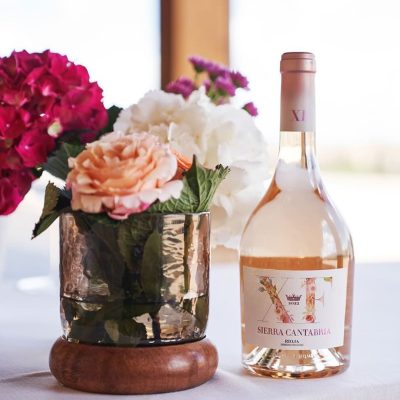
Rosé wine: the taste of spring and the perfect aperitif[/caption]
Where the True Value Lies in a Specialized Shop
The real value is not only in gathering bottles. It’s in curating them. A shop specialized in premium Spanish gastronomy understands that wine doesn’t live in isolation. It’s part of a table, an aperitif, a gourmet gift, a celebration. That’s why, when the curation is well done, buying a bottle becomes much easier: you know there’s judgment behind it aligned with origin, quality and Spanish gastronomic culture.
This is where a proposal like Made in Spain Gourmet fits particularly well, presenting wine within a universe of Spanish gastronomic excellence, with a clear identity and a selection designed for those who want authenticity, prestige and confidence in their purchase. That’s not a minor detail. For a demanding European consumer, that cultural framework provides as much reassurance as the product sheet.
How to Get It Right When Buying as a Gift
When Spanish wine is bought as a gift, avoid overly extreme choices. An elegant red from a recognized denomination, a premium dry cava, or a fresh, food‑friendly white usually work very well. If you know the recipient’s tastes, you can fine‑tune. If you don’t, it’s better to stick to references with prestige, balance and great versatility at the table.
Giving wine as a gift is not about spending a lot, but about choosing with taste. And good taste, in premium Spanish products, is immediately recognizable.
Next time you open an online shop to choose a Spanish bottle, don’t just look for an easy purchase. Look for a choice with meaning. The right wine doesn’t just accompany a meal: it elevates the whole experience.
AUTHOR: Israel Romero, CEO of Made in Spain Gourmet.