How long does a truly premium preserve last
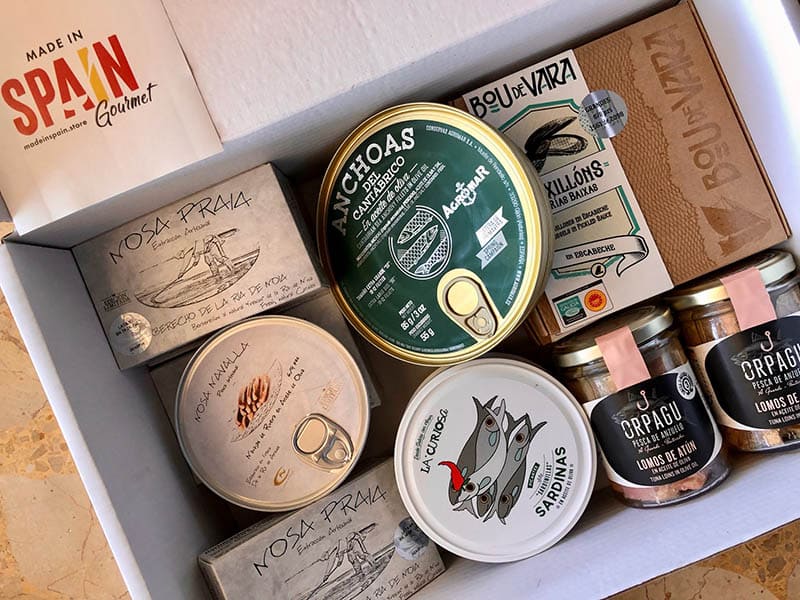
Opening a good preserve is not simply a quick meal solution. It’s bringing to the table a product made with judgment, provenance and craft. So, when someone asks how long a premium preserve lasts, the answer should not be limited to a date printed on the can or jar. In a gourmet preserve, duration matters, yes, but what matters even more is how it was made, what it contains and how it has been stored.
How long a premium preserve really lasts
A premium preserve usually lasts between 2 and 6 years unopened, depending on the type of product, the production method, the packaging and the natural acidity of the food. They do not all age the same. Some are designed to retain their fullness for a long time and others offer their best sensory profile in a shorter window, although they remain safe after that point if the manufacturer indicates so.
Here it is useful to distinguish between safety and gastronomic excellence. The best-before date indicates until when the producer guarantees that flavor, texture, aroma and color remain at their optimal level. In the premium world, that distinction is decisive. A preserve can still be fit for consumption, but no longer express the refinement of the product as it was conceived.
Not all premium preserves last the same
Canned fish and seafood
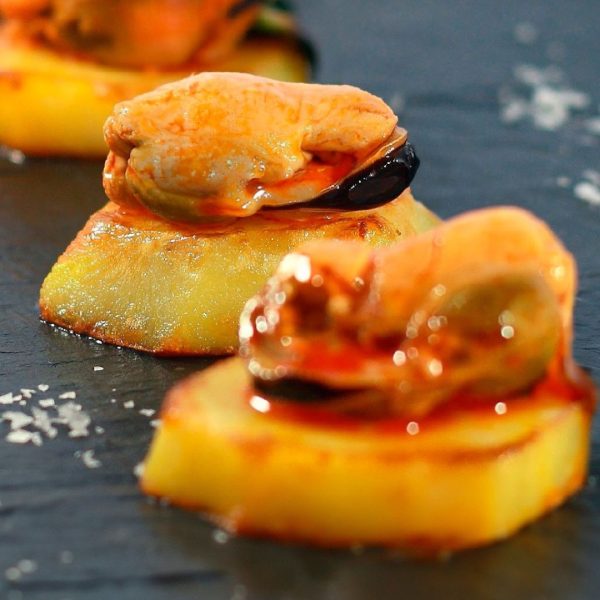
Canned tuna, bonito, sardines, mussels, cockles or razor clams usually have a long shelf life, typically 3 to 6 years unopened. Still, there are important nuances within this category. Fish packed in top-quality extra virgin olive oil can evolve very interestingly over time, rounding out flavor and texture. In contrast, delicate shellfish seek to preserve freshness, subtle salinity and juiciness, so it’s advisable not to push the timing if you want to enjoy them at their fullest.
In prestigious Spanish preserves, the covering liquid also matters. A marinara sauce, an artisanal escabeche or a selected oil is not the same as a standard covering medium. The product’s environment directly influences its stability and its evolution.
Vegetable preserves
Asparagus, piquillo peppers, artichokes, cooked legumes or preserved tomato generally fall between 2 and 5 years unopened. Very delicate vegetable products, especially when a firm, natural texture is prioritized, benefit from being consumed well before the deadline to appreciate their full quality.
In a premium vegetable preserve, the aim is not only to last. It is to preserve the identity of the original product. A large roasted pepper, a thick asparagus spear or a selected legume have gastronomic value that is more noticeable when eaten at their best moment.
Pâtés, creams and special preparations
Gourmet pâtés, mousses, sofritos or prepared recipes in preserves tend to have more variable durations, often between 2 and 4 years unopened. Here, formulation, fat content, presence of fresh ingredients and the thermal treatment applied play a large role. The more complex the recipe, the more it makes sense to rigorously follow the manufacturer’s guidance.
What determines how long a premium preserve lasts
The shelf life of a premium preserve does not depend on a single variable. It depends on a sum of well-executed decisions.
The first is the quality of the raw material. An excellent product not only tastes better. It also starts from a stricter selection, more careful handling and processes that reduce incidents. In premium gastronomy, traceability is not a marketing ornament. It’s a real guarantee.
The second is the conservation process. Thermal treatment, the cooking point, salt level, acidity and the sealing of the container must be perfectly controlled. The best Spanish preserves combine tradition and technique with admirable precision. That is one reason they enjoy such prestige in Europe.
The third is the type of packaging. Cans and glass jars behave differently. The can protects very well from light and allows excellent preservation. Glass, for its part, makes the product visible and conveys a more artisanal perception, although it requires more care against light exposure and impacts. Neither is better in the abstract. It all depends on the product and the maker’s criteria.
Best-before date and common sense
A common question is whether a premium preserve ever “expires.” Technically, many preserves carry a best-before date and not an expiration date. That means that if the package is intact and has been stored properly, the product can remain safe beyond that date. But in a gourmet product, being safe is not enough. It must still be up to the standard.
If you buy a preserve for a special appetizer, an elegant dinner or a gastronomic gift, there’s no point in stretching it to the limit. The value of a premium preserve is in offering an impeccable experience. And that is achieved by consuming it within its best quality window.
How to store a premium preserve so it lasts well
Storing at home may seem simple, but it makes a huge difference. The correct approach is to keep preserves in a cool, dry place away from direct light. Avoid sudden temperature changes or shelving near heat sources. A stable pantry is much better than a kitchen exposed to constant steam.
It is also wise to avoid accumulating containers for years without checking dates and external condition. In a well-managed gourmet selection, the ideal is to rotate stock and consume the oldest references first. It’s a simple practice, but very effective.
Once opened, the scenario changes completely. From that moment on, its duration drops from years to days. If not consumed in full, it should be transferred to an appropriate container if the manufacturer recommends it, refrigerated immediately and sealed well. In general, opened fish and seafood should be consumed within 24 to 48 hours; vegetables and some preparations may allow a bit longer, but always with caution.
Signs a preserve should not be consumed
In a premium preserve, the package should arrive impeccable. If you observe bulging, leaks, significant rust, a raised lid, severe dents or loss of vacuum in a jar, it’s not worth taking the risk. High gastronomy begins with safety.
Upon opening, any strange smell, unexpected foam, abnormal color or clearly altered texture are sufficient reasons to discard it. The prestige of an excellent preserve lies precisely in its consistency. When something doesn’t fit, act decisively.
When a premium preserve even improves with time
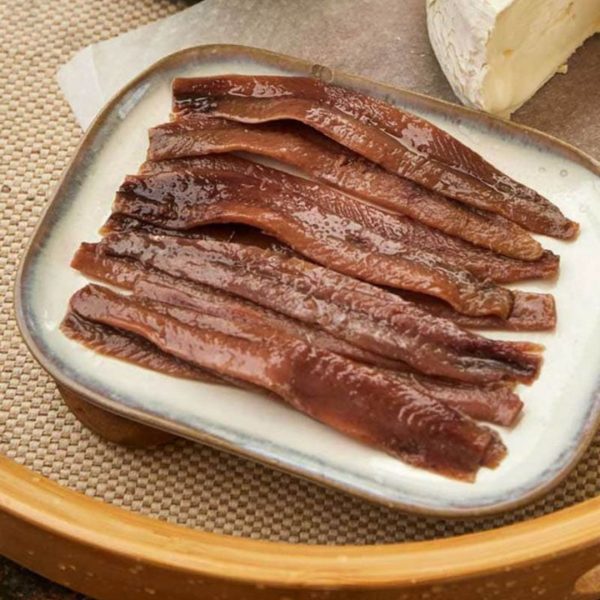
Some preserves gain roundness after a few months or even years of resting. This happens especially with certain fish in oil, where the product integrates better with the covering medium and reaches a more luscious texture. It’s a nuance appreciated by those who understand preserves as a serious gastronomic item, not as a simple pantry solution.
That said, improving with time does not mean forgetting the product in a cupboard. It means respecting storage conditions and understanding that some references have the potential for positive evolution within their shelf life. It’s a quiet luxury very typical of Spain’s great preserving tradition.
The premium factor: why paying more also affects longevity
You don’t pay more just for a pretty label. In a premium preserve you pay for origin selection, specific campaigns, superior sizes, better-executed recipes and stricter controls. All that affects sensory quality and also consistency of preservation.
A good preserve is designed to last, but above all to keep its gastronomic dignity during that time. That is the real leap compared to mass-market options. It’s not about filling the pantry. It’s about having on hand a product that can stand on its own at an appetizer, a starter or a guest table.
In a
specialty store like Made in Spain Gourmet, that selection makes even more sense. The value is not only in gathering premium Spanish preserves, but in offering references capable of meeting a high expectation of flavor, authenticity and provenance.
So, how long does a premium preserve last if you want to truly enjoy it
If the question is strictly sanitary, many premium preserves last several years unopened. If the question is gastronomic, the answer is more demanding. They last until they stop fully expressing what makes them special. And in the gourmet segment, that nuance changes everything.
Choosing well, storing well and opening at the right moment is part of the experience. The premium preserve is not made to wait soullessly on a shelf. It is made to remind you, when you decide to serve it, why Spain continues to set the standard of excellence in the gourmet pantry.

AUTHOR: Israel Romero, CEO of Made in Spain Gourmet.