Which oil to use raw and always get it right
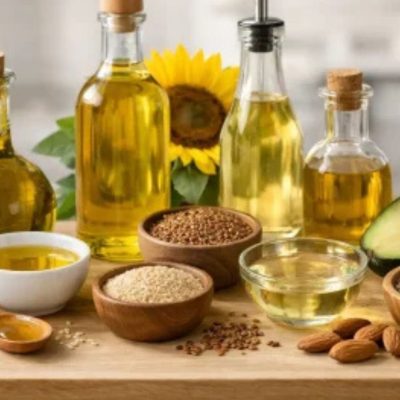
There is a huge difference between dressing out of habit and finishing a dish with intention. When someone asks which oil to use raw, they are actually asking what aromatic profile that tomato, that burrata, that fish or that toast needs to be on point. And not just any oil will do. Raw, the oil doesn’t merely accompany — it commands.
In Spanish gastronomy, where the product is regarded as cultural heritage, choosing a quality extra virgin olive oil to use raw is not a minor detail. It’s a decision about flavor, origin and culinary culture. A good EVOO (extra virgin olive oil) can elevate a simple dish into something memorable. A poorly chosen one can mask it, harden it or leave it flat.
Which oil to use raw according to the dish
The short answer is clear: for using raw, the best choice is extra virgin olive oil. Not generic olive oil, not a bland oil, not an undefined blend. Extra virgin means top quality, mechanical extraction and a clean, complex, natural aromatic expression. That’s exactly what matters when the oil won’t pass through heat and will be perceived up front.
That said, not every EVOO works for everything. Just as you wouldn’t serve the same wine with shellfish as with red meat, you also shouldn’t use the same oil for all cold dishes or table-finished plates. The key is the olive variety, the level of intensity and the balance between fruitiness, bitterness and peppery heat.
If the dish is delicate, opt for an elegant, harmonious oil. If the dish has character, it can take a more lively oil. That’s the logic that separates a correct choice from an excellent one.
For toasts, pan con tomate and gourmet breakfasts
Here, EVOOs with a clear personality but without excessive aggressiveness work especially well. An Arbequina is often a refined bet: mild fruitiness, notes of apple, banana or almond, a pleasant texture and a sweet finish. It’s ideal for those seeking silkiness and aroma without the oil overwhelming the dish.
If the bread with tomato (pan con tomate) uses good tomato and sourdough bread, a balanced Picual can also give a magnificent result. It provides more structure, greener notes and more intensity. The difference is that here the oil no longer strokes so much as asserts itself. And that, with quality ingredients, is usually great news.
[caption id="attachment_46798" align="aligncenter" width="400"]
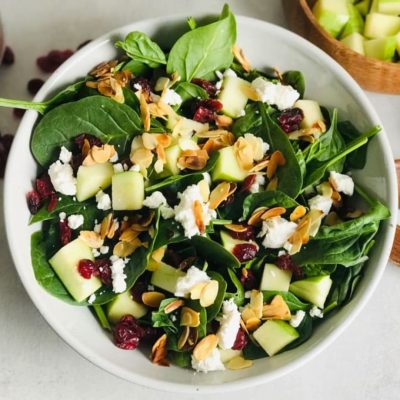
Premium salads with our Made in Spain Gourmet touch[/caption]
For salads, vegetables and fresh dishes
In a salad, the oil sets the tone. A Hojiblanca fits very well when you want freshness, herbaceous notes and moderate pepper. It has excellent versatility and respects both leafy greens and crunchy vegetables,
mild cheeses or warm legumes.
On the other hand, if the salad includes sweeter or fattier ingredients — burrata, avocado, roasted pepper, ventresca tuna — an oil with more bitterness can balance better. Picual stands out again here for its ability to cut through fat and add depth.
With cooked vegetables served warm or cold, such as white asparagus, artichokes or green beans, you want a clean, aromatic EVOO but well measured. Some vegetables become bitter if the oil is too dominant. In those cases, a premium Arbequina or a very polished coupage usually works best.
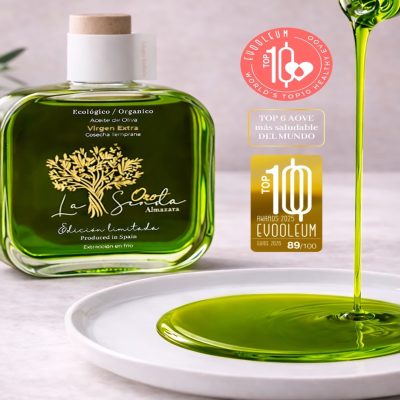
For fish, seafood and carpaccios
In marine dishes, the oil should accompany with elegance. Excessive pepper or bitterness can break the fineness of the product. For white fish, tartares, carpaccios or cooked shellfish, oils with a delicate profile are most appropriate. Arbequina is a classic and very safe option, especially if you’re looking for roundness and a soft finish.
If the fish has more fat, like cured salmon, mackerel or high-quality bonito, you can raise the intensity a notch. A well-aged Hojiblanca brings freshness and a very gastronomic vegetal touch.
For cheeses, Iberian cured meats and appetizers
This territory requires judgment. A fresh cheese doesn’t call for the same oil as a cured Manchego, nor does a cecina accept the same profile as an acorn-fed Iberian ham. With soft cheeses and light appetizers, an elegant Arbequina adds without competing. With aged cheeses,
noble cured meats or premium preserves, a more expressive oil can create an extraordinary contrast.
Picual, for example, pairs very well with intense flavors. It has character, persistence and that vegetal firmness that cleans the palate and lengthens pleasure. On a well-planned appetizer table, raw oil stops being a mere dressing and becomes a prestigious ingredient.
The varieties that work best raw
When the question is which oil to use raw, you almost always end up talking about varieties. And for good reason. Spain has some of the best in the world, and each offers a distinct expression of gourmet EVOO.
Arbequina
Softness, delicacy and a very pleasant fruity profile. It’s the perfect variety for those seeking a friendly, silky and versatile oil for cold use. It pairs well with breakfasts, delicate salads, soft cheeses, fish and mild vegetables. If you want elegance without fuss, it’s a great choice.
Picual
More intense, more structured and with an unmistakable personality. It usually shows green notes, medium to high bitterness and a peppery finish that brings life. Raw, it works especially well when the dish needs energy: tomatoes,
legumes and rice dishes, cold cuts, cured cheeses, hearty salads or powerful toasts.
Hojiblanca
Balance and freshness. It has an attractive vegetal profile and outstanding versatility. It’s an excellent option for those who want an oil with identity but without Picual’s bluntness. It’s particularly brilliant in salads, vegetables, fatty fish and Mediterranean dishes.
Cornicabra and gourmet coupages
Cornicabra can be magnificent raw if you appreciate a more serious profile, with good bitterness and great persistence. It’s not the easiest for every palate, but in expert hands it offers a lot of depth. Coupages (blends), meanwhile, allow you to craft balance. A good blend can offer complexity, harmony and a very rounded table experience.
[caption id="attachment_32506" align="aligncenter" width="400"]
Premium EVOO Early Harvest Picual, Elogio[/caption]
How to choose a good EVOO for raw use
Here you should be demanding. Raw oil reveals everything: virtues, defects, freshness and origin. That’s why it’s worth paying attention to some key points.
The category should always be extra virgin. It’s the minimum standard if you’re looking for real quality. The harvest season also matters, because freshness shows in aroma, liveliness and clarity. A fresh oil usually shows more fruit, more tension and a cleaner sensation on the palate.
Origin also counts—and a lot. In the gourmet world, traceability is not a marketing accessory. Knowing where the oil comes from, which variety it contains and how it was produced makes the difference between a correct product and a memorable one. Spain, in this regard, plays in the top division worldwide. For diversity of varieties, olive-growing culture and productive excellence, it continues to offer some of the most prestigious EVOOs on the international market.
Also, think about real use. If you often eat toasts, carpaccios or salads with noble ingredients at home, it’s worth having more than one open bottle. One mild and one more intense. It’s not excess; it’s culinary judgment.
Common mistakes when using oil raw
The first is choosing only by intensity. Many people associate quality with a strong oil, and that’s not always true. A great Arbequina can be extraordinary raw precisely because of its delicacy. Power is not an automatic synonym for excellence.
The second mistake is using the same oil for everything. A very intense EVOO can be dazzling on a ripe tomato and overwhelming on a white fish. Context matters.
People also fail by neglecting storage. If oil is exposed to light, heat or air excessively, it loses nuances. And raw, those nuances are the heart of the experience. A premium oil deserves storage that’s up to the task.
So, which oil to use raw
If one elegant and safe table answer had to be given, it would be this: always use extra virgin olive oil and choose the variety according to the dish. Arbequina for delicacy, Hojiblanca for balance, Picual for character. From there, personal taste comes into play—and it matters a lot.
In a well-thought-out pantry, raw oil is not an indifferent wardrobe staple. It’s a piece of everyday high gastronomy. At Made in Spain Gourmet we know this well: when the origin is excellent and the selection is made with judgment, a simple drizzle of EVOO is enough to remind you why Spanish cuisine remains a reference of prestige across Europe.
Next time you put oil on bread, tomato, vegetables or fish, don’t think only about dressing. Think about finishing the dish with the authority it deserves.
AUTHOR: Israel Romero, CEO of Made in Spain Gourmet.