Spanish Tapas Sauces That Truly Make the Table
[caption id="attachment_32264" align="aligncenter" width="800"]
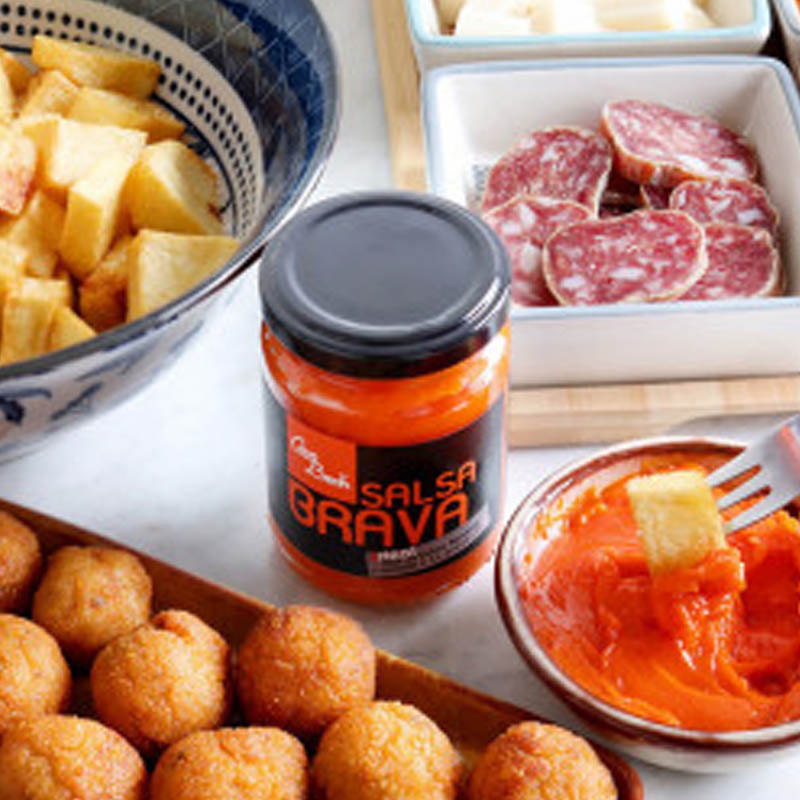
Salsa Brava, Can Bech[/caption]
There are tables remembered for the ham, for the wine, or for an extraordinary preserved specialty. And then there are tables remembered because a well‑chosen sauce completely changed the appetizer. Spanish sauces for tapas have that power: they don’t just accompany, they refine, elevate, and give identity to every bite.
In Spanish cuisine, a tapa never relies solely on the main ingredient. A good anchovy, a creamy croquette, or crispy potatoes reach another level when they find the right sauce. That’s the difference between serving something acceptable and offering a premium gastronomic experience—one that speaks of judgment, origin, and a love for the authentic.
Spanish tapas sauces: far more than an accompaniment
Spain doesn’t see sauce as a disguise for the product. It sees it as a dialogue. A well‑made Spanish sauce must respect what it touches, not cover it up. That’s why the great sauces of our cuisine start from recognizable ingredients, traditional methods, and a carefully measured balance of intensity, texture, and freshness.
That nuance matters especially in the world of tapas. Portions are small, flavors follow in sequence, and every detail counts. A sauce that’s too aggressive can overwhelm the palate by the second bite. One that’s too flat leaves the tapa without character. The right choice hits the exact point: presence, yes; excess, never.
It’s also worth remembering something that marks the difference in gourmet products: not every sauce works for everything. A sauce’s prestige isn’t just its fame but its ability to fit the texture, temperature, and personality of each tapa.
Essential sauces on a gourmet tapas table
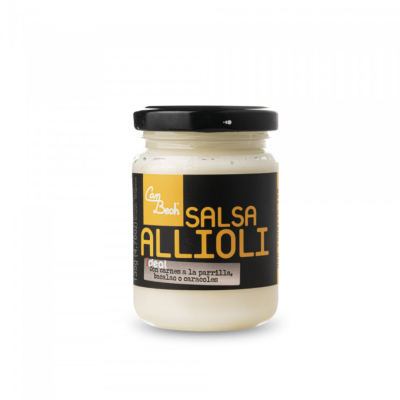
If there’s a sauce that has crossed borders without losing its Spanish accent, it’s allioli. Powerful, creamy, and deeply Mediterranean, it works wonderfully with potatoes, grilled vegetables, fish, and rice dishes served as tapas. Its virtue is clear: it brings intensity and persistence. Its limit too: with delicate products it can dominate if not dosed properly.
Salsa brava holds another place of honor. It’s probably the most iconic in informal tapas, but when well made it also deserves a spot on a refined table. A balanced brava should have depth, a light heat, and a savory background—not just a blunt chili attack. It’s infallible with potatoes, but it also shines with crispy chicken, tortilla cubes, or even warm mussels.
Romesco belongs to that category of sauces with memory. Almond, hazelnut, tomato, garlic, oil, and pepper combine into a recipe of extraordinary richness. It has body, nobility, and a very Spanish complexity. It’s magnificent with roasted vegetables, shellfish, white fish, and vegetable‑based tapas. On a well‑built table, romesco brings depth and an artisanal feel that’s hard to match.
Vizcaína sauce represents the northern tradition with a more serious, enveloping personality. Its base of pimiento choricero and onion offers a silky texture and rounded flavor, perfect for cod, meatballs, or small stews served as tapas. It’s not a light sauce nor does it pretend to be. Precisely for that reason it’s best reserved for bites with structure.
Then there’s salsa verde, one of the great examples of Spanish culinary elegance. Parsley, garlic, oil and, depending on the preparation, a light stock that makes it bright and delicate. It’s ideal for clams, hake, asparagus, or boiled potatoes. Compared to denser sauces, verde refreshes and brings order to the table. It adds sophistication without heaviness.
You can’t leave out mojo, especially mojo picón, the Canary Islands’ emblem with an immediate identity. Garlic, cumin, paprika, oil, and vinegar build a vibrant sauce that transforms potatoes, cheeses, meats, and vegetables. It has character and an attractive rustic edge. In a gourmet selection, it adds regional diversity and demonstrates the real richness of Spain’s regional cuisines.
How to choose Spanish sauces for tapas according to the ingredient
The most useful logic isn’t to think of the sauce first, but of the ingredient you want to enhance. If the tapa has a fatty or creamy base—like a croquette, Russian salad, or a fritter—you should look for contrast. Lively sauces with acidity or a touch of spice work best there, such as a refined brava or a balanced mojo.
If the sea is the star, the choice calls for more restraint. Premium canned seafood, mussels, octopus, or hake welcome sauces that accompany without invading. Salsa verde and certain mild alliolis fit especially well. Romesco can also work, but it depends on the fish and the overall intensity of the menu.
With meats and cured items there’s more latitude. A vizcaína sauce, a mojo, or even an artisanal tomato sauce with good extra virgin olive oil can support stronger flavors. That said, with jamón ibérico or a long‑cured charcuterie, restraint is usually the most elegant decision. Some products don’t need competition.
On vegetable tapas, sauces are decisive. Roasted peppers, artichokes, eggplant, or potatoes can go from simple to memorable with a serious romesco, a well‑emulsified allioli, or a clean‑profile mojo. Here texture matters as much as flavor: a sauce that’s too thin loses presence; one that’s too thick can mute the vegetable’s freshness.
The value of origin and preparation
In a category as popular as this, the difference between a correct sauce and a truly gourmet one lies in the origin of the ingredients and in how it’s made. You notice it in the oil, the pepper, the garlic, the balance of the recipe, and the absence of unnecessary shortcuts. A premium sauce should taste like genuine Spanish cooking, not an industrial formula without soul.
That’s why discerning consumers increasingly look at traceability, artisanal profile, and fidelity to traditional recipes. It’s not just nostalgia. It’s about real flavor. When a sauce starts from noble raw materials and careful preparation, the tapa gains depth and the table conveys something more valuable than abundance: judgment.
At Made in Spain Gourmet that selection makes full sense, because a good sauce isn’t bought as a secondary product. It’s chosen as an essential piece of the well‑understood Spanish aperitif. It’s a small purchase in size, but decisive in result.
Which combinations work best on a tapas board
A thoughtfully arranged tapas table shouldn’t always repeat the same register. If everything is creamy, everything becomes heavy. If everything’s spicy, the palate tires. If all the sauces are intense, nuances disappear. The key is to alternate.
An elegant combination might start with a salsa verde alongside asparagus or seafood, continue with a romesco for roasted vegetables or a savory coca, introduce patatas bravas with a characterful sauce next, and finish with a mojo for cheeses or papas arrugadas. That progression keeps interest and gives the sense of a carefully curated table.
It’s also worth considering the wine or vermouth that will accompany the appetizer. Sauces with more garlic, heat, or acidity strongly affect pairing. That’s not a problem, but it requires intention. A gourmet table doesn’t seek to accumulate impact; it aims to organize pleasures.
The most common mistake when serving sauces for tapas
The most common mistake isn’t the choice, but the quantity. Serving too much sauce is a quick way to blur the main product. With tapas, less is usually more—especially when working with premium preserves, Iberian cured meats, aged cheeses, or delicate fried items.
The second mistake is ignoring temperature. Some sauces should be served chilled; others express their aromas better at room temperature. A romesco that’s too cold loses its nuances. A hot allioli can feel heavy. These are small details, yes, but in premium gastronomy details are exactly what separates a good table from a truly memorable one.
Spanish sauces for tapas are not a minor complement. They are culinary culture, origin, and technique concentrated in a spoonful. Choosing them well is a simple, brilliant way to raise the aperitif to the level Spain’s cuisine deserves. The next time you prepare a table, think less about filling plates and more about building harmonies: that’s where true luxury begins.
AUTHOR: Israel Romero, CEO of Made in Spain Gourmet.