Spanish Gourmet Legumes: Which to Choose
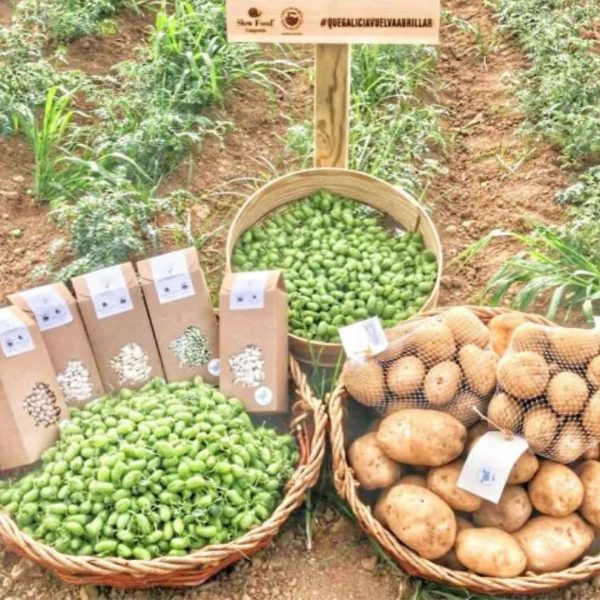
No todas las legumbres merecen un lugar en una despensa exigente. Cuando se habla de legumbres gourmet españolas, se habla de origen, de variedad, de cultivo cuidado y de una textura final que marca la diferencia entre un plato correcto y una experiencia gastronómica seria. España no solo produce algunas de las mejores del mundo. También las convierte en un símbolo de cocina refinada, honesta y profundamente ligada al territorio.
There are products that need no artifice to shine. A bean with a thin skin, a lentil that holds up during cooking, or a buttery chickpea already contain everything that matters: excellent raw material, tradition, and character. That is the real luxury. Not in complication, but in purity.
What makes Spanish gourmet legumes special
The difference starts long before the plate. A
premium legume is recognizable by seed selection, crop control, grain cleaning, uniform size, and, of course, its behavior when cooked. It’s not enough that it’s a Spanish legume. To enter the gourmet category it must offer consistency, a clean flavor, and superior texture.
Spain has producing regions of enormous prestige, where climate, soil, and agricultural know‑how have produced exceptional varieties. In these cases, origin is not a decorative detail. It is a real guarantee of quality. Those who buy well notice the difference immediately: less tough skin, fewer breakages, greater finesse on the palate, and a more elegant broth.
Traceability also matters. In a category that looks basic at first glance, excellence is proven by facts: clear provenance, careful harvests, and processes that respect the product. That is the standard that separates an everyday legume from a gourmet reference intended for a discerning table.
Spanish gourmet legumes worth knowing
Talking about premium legumes in Spain means talking about specific varieties, not a generic category. Each has its place and not all are suitable for the same uses. Choosing well is part of the pleasure.
Chickpeas: creaminess and presence
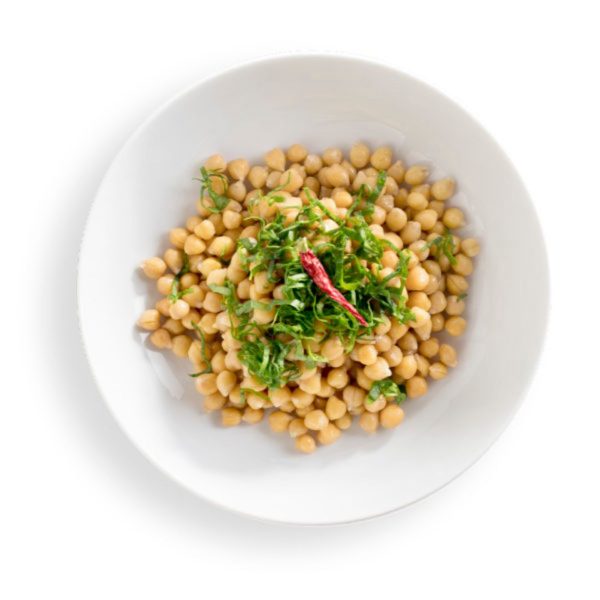
A gourmet chickpea should be whole, uniform, and cook well. The best Spanish varieties offer an almost imperceptible skin and a creamy interior, not mealy. They are perfect for elegant stews, high‑level hummus, or warm salads where the grain takes center stage.
It pays to be precise here. If a delicate result is desired, look for a chickpea with a fine texture and mild flavor. If the dish will coexist with cured meats, meats, or intense broths, one with more structure may work better. There is no single correct choice. It depends on the final use.
Beans: finesse, delicate skin, and a silky broth
Spanish gourmet beans stand out for one essential thing: the skin doesn’t bother. That detail, which seems minor, completely changes the experience. A good bean provides creaminess, absorbs flavor without losing personality, and leaves a clean sensation on the palate.
White beans are often associated with classic spoon dishes, but they also shine in lighter preparations if the quality is there. Red and pinto varieties bring more depth and visual presence. The key is not to treat them as undifferentiated raw material. Each variety asks for a specific recipe and adjusted cooking.
Lentils: elegance in small format
A gourmet lentil doesn’t need to impose itself by size. In fact, some of the most appreciated are small, uniform, and extraordinarily flavorful. They cook well, keep their shape, and allow refined dishes without giving up the traditional depth that defines Spanish cuisine.
They are an excellent choice for those seeking versatility. They work in stews, in warm salads, and in sophisticated vegetable recipes. They also take well to premium ingredients like
extra virgin olive oil, roasted vegetables, or select preserves.
How to choose Spanish gourmet legumes without making a mistake
Smart shopping begins by looking beyond the packaging. The appearance of the grain matters. It should look clean, whole, homogeneous, and without obvious mixes of sizes. Uniformity is not an aesthetic obsession. It’s a guarantee of even cooking.
Then there is origin. When a legume comes from a recognized area, there is usually agricultural work and a reputation behind it that should be valued. It doesn’t mean everything else is inferior, but it does significantly reduce the risk of disappointment. In a gourmet purchase, that criterion carries weight.
Also consider the occasion. For an everyday meal, a consistently good lentil already offers a lot of possibilities. For a special dinner or a gastronomic gift, it’s worth stepping up the level and choosing varieties with greater prestige and more careful presentation. The product changes perception of the dish from the first glance.
And then there’s storage. Legumes aren’t eternal culinarily speaking. They remain edible, yes, but over time they lose their ability to rehydrate well and to offer optimal texture. That’s why careful rotation of stock is also part of quality.
The value of origin in Spanish gourmet legumes
In Spain, gastronomic origin has its own weight. It’s not just a matter of national pride, although there are good reasons. It’s a way to identify products that respond to a specific tradition and a recognizable standard of demand.
The best Spanish legumes express the landscape. There are soils that favor a finer skin, climates that help more balanced ripening, and areas where knowledge accumulated over generations continues to yield extraordinary results. In a category so tied to home cooking, that heritage elevates the product and turns it into a high‑end pantry item.
For the European consumer seeking authenticity, this point is decisive. It’s not just about buying a quality legume. It’s about bringing a real part of Spanish gastronomic culture to the table, with all its credibility and prestige.
How to make the most of them in a premium kitchen
An exceptional legume doesn’t ask for overloaded recipes. It asks for respect. A good sofrito, a top‑quality extra virgin olive oil, a
clean stock, or seasonal vegetables are enough to build a memorable dish. The frequent mistake is trying to dress up a product that already has its own identity.
In
hearty soups and stews, the priority should be the cooking. If the grain breaks or stays hard, the essence is lost. In salads and more contemporary preparations, the goal is to preserve shape and play with contrasts of acidity, texture, and temperature. Spanish gourmet legumes accommodate impeccable traditional cooking, but also modern, refined presentations.
There is also an advantage that many gourmet buyers increasingly value: they are an excellent base for sophisticated, balanced eating. They fit into vegetable, organic, or Mediterranean‑inspired proposals without sacrificing pleasure. That makes them especially relevant for households that want to eat better without falling into routine.
A humble product that defines a great table
Legumes have been a pillar of Spanish cuisine for centuries. Precisely for that reason, when quality truly rises, the result impresses even more. Because we are talking about a familiar product, apparently simple, and there is no room for make‑up. It’s either excellent or it isn’t.
That is the greatness of Spanish gourmet legumes. They bring together tradition, territory, and gastronomic pleasure in a pure, recognizable, and deeply Spanish form. In a well‑curated gourmet catalog, they occupy their own place alongside the best olive oil,
the best preserves, or great wines. Not as a minor accompaniment, but as a protagonist.
At
Made in Spain Gourmet we understand that category as it should be understood: a selection of authentic, premium products with clear origin. Because a distinguished pantry isn’t built only with obvious icons. It is also defined by those discreet ingredients that, when extraordinary, elevate the whole table.
Choosing a great legume is choosing cooking with memory, with discernment, and with gastronomic ambition. And few such sober decisions offer such a brilliant result.
Didn't you expect Spain could give you so much?
 AUTHOR: Israel Romero, CEO of Made in Spain Gourmet.