Jerez and Its Wines
The wines of Jerez are the classic heirs of Andalusian tradition and one of the greatest treasures of Spanish winemaking.
Finos, manzanillas, amontillados, olorosos, palos cortados, PX... and more. Unique wines born of millenary viticulture, with a long history tied to trade with the United Kingdom, a present surrounded by culture and rich gastronomy, and a promising future—like everything done exceptionally well in Spain. They are
unique, tremendously complex and diverse wines and a whole world worth exploring step by step, sip by sip; they will end up accompanying us throughout our lives, as we do.
[caption id="attachment_25345" align="aligncenter" width="800"]
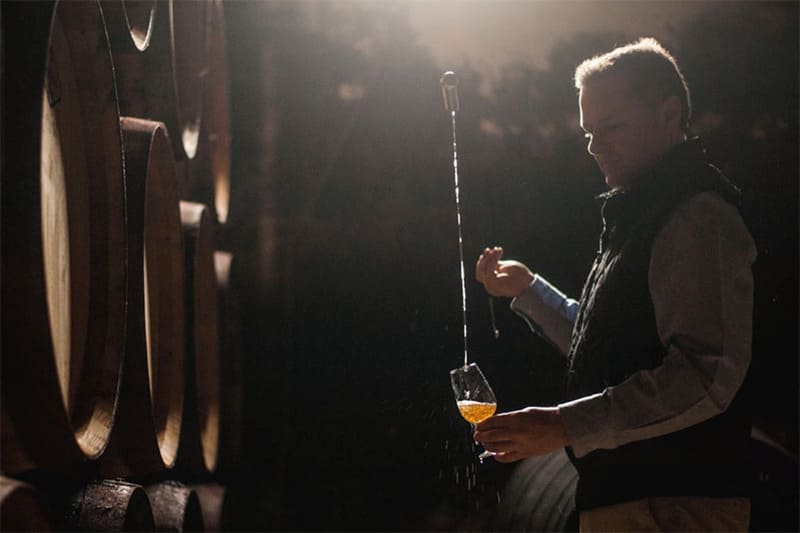
Jerez and its wines: elegance, tradition and international prestige[/caption]
How many types of Jerez wine are there?
With
more than 60 wineries in the Regulatory Council of the Denominations of Origin, the types of Jerez wines are very varied.
Currently up to
thirteen types of Jerez wines are distinguished, and each has its characteristic color and flavor.
- Fino wine. Fino is straw-colored and is considered a fortified wine.
- Amontillado wine. It has a very characteristic amber color and is also a fortified wine.
- Oloroso wine. Mahogany-colored and also a fortified wine.
- Palo Cortado wine. Chestnut-colored and a fortified wine.
- Pale Cream wine. A straw-colored wine within the category of fortified liqueur wines.
- Medium wine. It has a brown color and belongs to the class of fortified liqueur wines.
- Cream wine. Rounding out the fortified liqueur wines, it is a mahogany wine with a fair amount of sugar.
- Pedro Ximénez (PX) wine. It has an ebony color and is a naturally sweet wine.
- Moscatel wine. It has a mahogany color and belongs to the naturally sweet wines.
- Manzanilla wine. Straw-colored, with very little sugar and a very characteristic flavor.
In addition, there are
special wines depending on the
difference between crianza and reserva. You can find wines aged between 20 and 30 years, wines aged between 12 and 15 years, and those known as vintage wines.
Could you tell us which is your favorite among them? For us it's easy—we like them all.
[caption id="attachment_25347" align="aligncenter" width="800"]
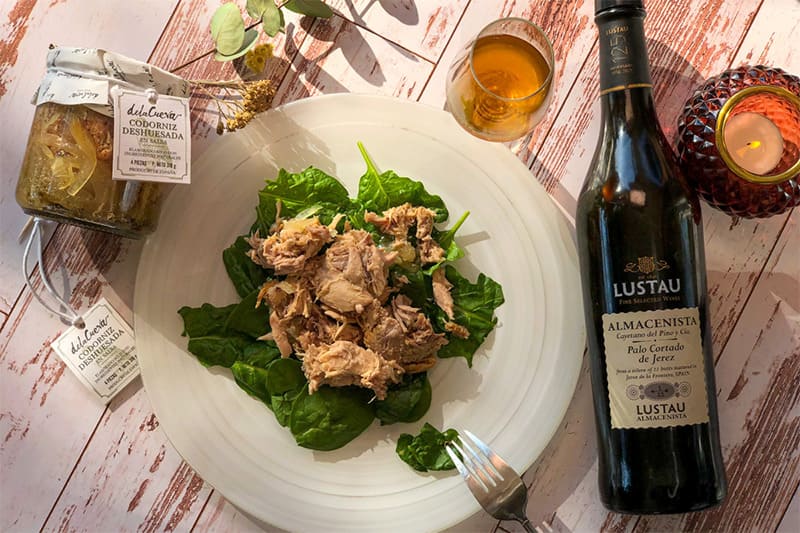
Jerez and its wines: elegance, tradition and international prestige[/caption]
How to pair them?
Finos and manzanillas, for example, should be served chilled,
between 6–8°C (43–46°F) (8–10°C / 46–50°F for the more complex examples), and are ideal both for the classic
aperitif with some olives, and to accompany tapas, gazpacho, fried fish, cured ham, prawns, anchovies and raw fish.
Amontillados, palo cortado and olorosos are best served at a relatively cool temperature,
between 12–15°C (54–59°F). They pair wonderfully with a variety of dishes. Amontillados make good matches with creams and consommés, tuna and sardines, asparagus, artichokes and aged cheeses, while olorosos can be reserved for dishes based on red meats.
PX and moscatels are dessert wines. PX goes well with chocolate cakes or drizzled over vanilla ice cream; moscatels suit tarts and fruit salads. They should be served rather cool,
between 10–13°C (50–55°F), although serving temperature should be adjusted to the wine's level of complexity: the more complex the wine, the less chilling it needs.
Our pairing recommendations with Jerez wines