How to Choose a Truly Premium Priorat Wine
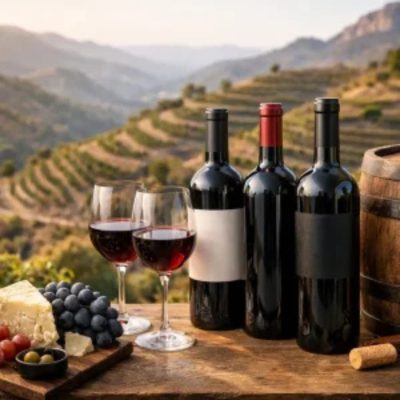
There is a clear difference between buying an expensive bottle and knowing how to choose a truly premium Priorat wine with judgement. In Priorat, price can impress, but what really distinguishes a great wine is the relationship between vineyard, vintage, variety and style. Someone who knows that difference doesn't buy labels: they buy origin, depth and authenticity.
How to Choose a Priorat Premium Wine Without Being Swayed by the Label Alone
Priorat doesn't need tricks. It is one of Spain’s great wine jewels and a denomination that has earned international prestige for very specific reasons: old vines, low yields, demanding terrain and that characteristic llicorella slate that imparts tension, minerality and character. For that reason, when we talk about a premium Priorat, a pretty bottle or impressive-sounding ageing is not enough.
Choosing well starts by understanding that Priorat offers distinct profiles within the same denomination. There are intense, concentrated and structured wines designed for cellaring and serious dining. And there are also finer, more vertical expressions where fruit and terroir outweigh oak. Neither is superior by default. It depends on what the buyer is looking for and the moment of consumption.
If the goal is a gourmet gift, a special dinner or a thoughtfully curated home cellar, it's wise to look beyond the term "premium." In top-quality Spanish wine, true luxury lies not in exaggeration but in accurately reflecting origin.
Origin Rules: Area, Altitude and Old Vines
In Priorat, the vineyard explains much more than marketing. A premium bottle often starts from specific plots, old vines or selections from estates with a defined identity. This matters because the grape’s natural concentration, aromatic complexity and mouthfeel aren't improvised in the winery.
Altitude has a decisive influence. Higher-altitude vineyards tend to produce wines with greater freshness, tension and length. In contrast, warmer or more exposed plots can offer more ripeness, volume and darker fruit. No profile is inherently better, but it's useful to know which fits your taste. Those who prefer powerful, enveloping wines will likely enjoy riper styles. Those who value precision, energy and elegance should look for wines where freshness is well preserved.
Vine age also makes a real difference. Old Garnacha (Grenache) and Cariñena (Carignan) vines, worked with low yields, usually produce deeper, longer and less obvious wines. In a premium category, this detail weighs heavily. A lot.
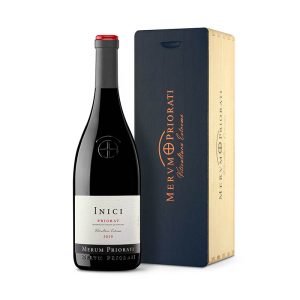
Varieties: Garnacha (Grenache) and Cariñena (Carignan) as the Soul of Priorat
If there's a reliable clue for choosing well, it's the varietal composition. Garnacha brings breadth, ripe fruit, warmth and a silky texture when well handled. Cariñena provides nerve, structure, acidity and a backbone that is essential in many great Priorats.
When a bottle leans on these historic varieties, it is often closer to the authentic character of the area. That doesn't mean blends including Cabernet Sauvignon, Syrah or Merlot are worse. In fact, some have been key to Priorat’s international projection. But if you're looking for a wine with a stronger territorial identity, prioritize Garnacha and Cariñena, especially when they come from old vines.
Here’s an important nuance: a higher percentage of a single variety doesn't automatically guarantee higher quality. What matters is how that grape behaves in that plot, in that vintage and under that winemaking philosophy. A great premium Priorat always conveys balance, even when it’s intense.
Aging: When It Adds and When It Masks
Many buyers associate "premium" with lots of barrel time. That's a common mistake. Oak can add complexity, spice, volume and aging potential, but it can also cover the fruit and homogenize the wine if used without restraint.
In Priorat, the best ageing is the one that accompanies the vineyard, not the one that eclipses it. If the technical sheet or description insists more on months in barrel than on plot, soil or vineyard, it’s worth taking a step back. A truly select wine usually speaks first of origin and then of winemaking.
This isn't about demonizing long ageing. There are Priorats with very well-integrated oak that are extraordinary. But if you're seeking a refined purchase, consider this rule: oak should enrich texture and lengthen the finish, not turn every wine into the same wine. Luxury lies in personality.
The Vintage Does Matter — and in Priorat, a Lot
Anyone buying premium wine should pay attention to the year. Priorat is a demanding climate and each harvest leaves its mark. Warmer vintages can produce exuberant wines, with higher alcohol, very ripe black fruit and a notable sense of amplitude. Cooler or more balanced vintages tend to offer tighter, more precise wines with better aging potential.
For consumption in the near term, a generous, approachable vintage can be a great choice. For cellaring, gifting to an enthusiast or pairing with a gastronomic meal, a more balanced vintage usually delivers more nuances over time.
You don't need to become a collector to get it right. It's enough to understand that in Priorat the vintage isn't decorative. It's one of the keys that separates an impressive bottle from a truly memorable one.
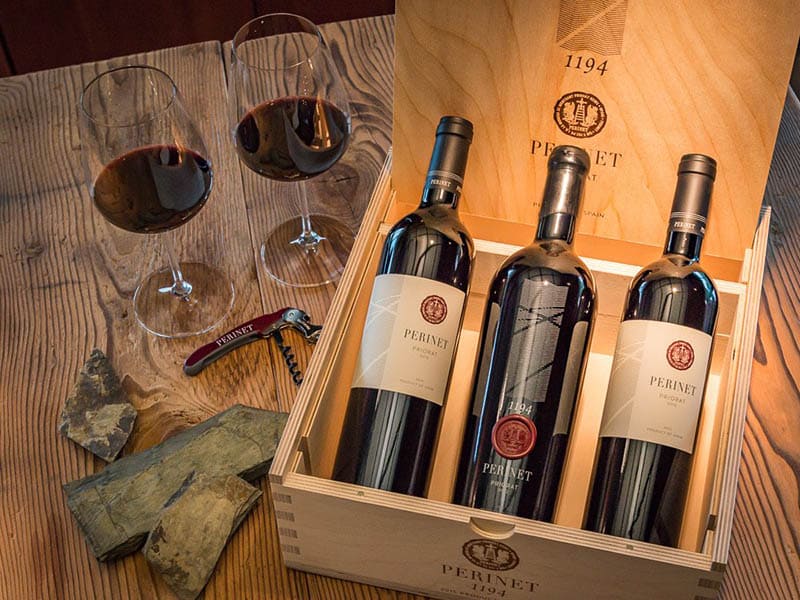
How to Recognize a Premium Priorat by Its Style
A premium Priorat doesn't have to be aggressive, overripe or excessively opulent. That image no longer alone defines the best wines of the area. Today, many excellent wineries seek to preserve Priorat's characteristic intensity without sacrificing freshness, detail and elegance.
On the nose, a great Priorat often shows ripe red or black fruit, Mediterranean scrub (garrigue), mineral notes, hints of graphite, Mediterranean herbs and, if there has been oak ageing, fine spices or well-measured toasty notes. On the palate, the important thing is not just power. There should be depth, texture, length and a sense of energy that supports the whole.
Be wary of wines that only impress on the first sip. In the premium range, real value appears when the wine evolves in the glass, gains complexity and leaves a persistent, clean finish with identity. Intensity without balance tires. Greatness, on the other hand, endures.
High Price Doesn't Always Mean a Better Purchase
In a prestigious denomination, price rises quickly. Sometimes for good reason and sometimes because of label effect. To choose well, think about value, not just cost. A premium Priorat justifies its position when it offers singularity, traceability, vineyard work and a clearly superior sensory experience.
There are high-priced bottles that respond to very limited productions, scarce vineyards or extremely precise winemaking. That makes sense. But there are also wines inflated by image, scores or trends. The gourmet consumer who buys with discernment knows how to detect when they're paying for terroir and when they're paying for noise.
That's why a well-curated selection makes a difference. In a specialized environment like Made in Spain Gourmet, where
Spanish premium products are presented with a selective and rigorous eye, it's easier to find authentic references and avoid impulse buys disguised as luxury.
How to Choose a Priorat Premium Wine According to the Occasion
You don't buy the same Priorat for a celebratory dinner as you do for a corporate gift or for personal cellaring. If you want to impress at the table, choose a wine with structure, complexity and a clear gastronomic profile, able to accompany meats, game or intense dishes. If it's for a gift, labels with a strong sense of origin and a sober but distinguished presentation usually work very well.
For someone just starting to explore the denomination, a premium Priorat that's accessible in its youth, with well-defined fruit and polished tannins, may be more appropriate. In contrast, an experienced enthusiast will appreciate a wine with greater tension, more layers of nuance and a slower evolution. Buying well requires matching the wine to the context. That's the difference between consuming and choosing.
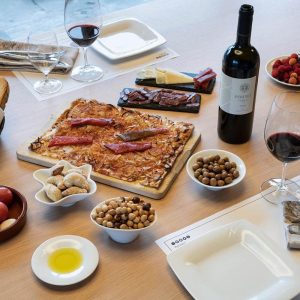
It's also worth thinking about pairing. Priorat shines with bold Spanish cuisine, from roast lamb to a selection of
aged cheeses or
Iberian cured meats of the highest quality. When wine and table speak the same language, the result is another level.
The Signals That Do Matter Before Buying
Before deciding, look at four aspects: whether the estate or specific origin is mentioned, whether Garnacha and Cariñena predominate, whether the ageing seems integrated rather than dominant, and whether the vintage fits the style you're seeking. With just that filter, buying improves considerably.
Then a more personal question comes into play: do you want power or finesse? Do you prefer a wine to open now or to wait? Are you looking for a classic, broad Priorat or a more precise, contemporary one? The best premium bottles are not the loudest, but those that answer that expectation exactly.
Choosing a great Priorat is choosing one of the noblest expressions of Spanish vineyard. And when you get it right, you don't just open a bottle: you serve a way of understanding prestige, land and table. That's the kind of purchase worth repeating.

AUTHOR: Israel Romero, CEO of Made in Spain Gourmet.