How to Assemble a Gourmet Iberian Charcuterie Board with Style
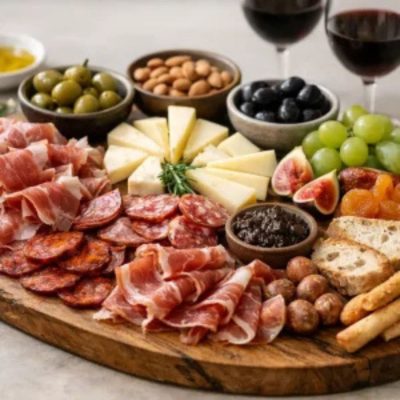
There is an obvious difference between bringing some cured meats to the table and knowing how to assemble a truly gourmet Iberian charcuterie board. The first option solves an appetizer. The second creates a moment with identity, prestige and high-level Spanish flavor. That difference is not marked by excess, but by selection.
A good Iberian board doesn't need fifteen items or an overloaded presentation. It needs judgement. Excellent product, balance between intensities, and a clean presentation that lets the origin speak. When the ham is impeccable, the cheese is at its peak, and each accompaniment has a specific purpose, the table changes completely.
How to assemble a gourmet Iberian board without going overboard
The most common mistake is confusing abundance with sophistication. A gourmet board doesn't impress by quantity, but by hierarchy. There should be a leading piece, two or three well-chosen supports, and a visual composition that invites tasting without overthinking.
It's usual to start with the king of the board: jamón ibérico (Iberian ham). If the occasion is special, acorn‑fed Iberian ham (jamón ibérico de bellota) deserves the absolute center. It has depth, noble fat, persistence and a silky texture that sets the level for the whole experience. If you prefer a slightly more varied and accessible board, it can coexist with lomo ibérico (Iberian loin) and salchichón with a finer profile. Iberian chorizo works very well, but use it sparingly because its spice can easily dominate.
The key is not to compete with the ham. If the centerpiece has a lot of personality, the rest should accompany, not invade. On a small board for four people, three cured meats are more than enough. On a large board for a gathering, four well-placed selections are still more elegant than seven piled together.
The product selection that truly elevates the table
A gourmet Iberian board is built in layers of flavor. The first level is the Iberian cured meats. The second, the cheeses. The third, the accompaniments that cleanse, contrast or add texture.
[caption id="attachment_51833" align="aligncenter" width="400"]
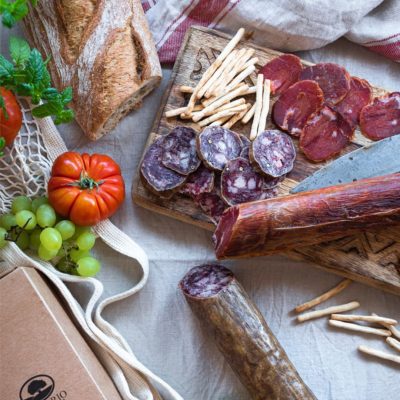
The art of the gourmet Iberian board: easy, sophisticated and 100% Spanish[/caption]
Essential Iberian cured meats
Jamón ibérico should always be the most generous and visible piece. From there, lomo ibérico adds a firm, clean curing that is much appreciated by those seeking a refined profile. Salchichón ibérico brings softer, more aromatic notes. Chorizo, if of the highest quality, adds a warm, rounded point.
A simple rule applies here: mix textures, don't duplicate sensations. If there's already a very fatty, melt-in-the-mouth ham, it's better to add a drier lomo and a more spiced salchichón, rather than two cured meats that taste almost the same.
Which cheeses to pair with a gourmet Iberian board
Spanish cheese is on par with any great European table, but not all cheeses pair equally with Iberian products. For a balanced board, a cured Manchego made from sheep's milk, a creamier cheese to soften, and, if you want a point of character, an aged goat cheese work very well.
Cured Manchego is almost a safe bet. It has structure, persistence and that nutty note that embraces the ham without eclipsing it. An overly blue or excessively powerful cheese can break the harmony, unless the board is designed for lovers of intense flavors. Here, as in all things gourmet, it depends on the audience. If the gathering is varied, elegance is preferable to shock value.
Accompaniments that add real value
Picos, regañás, colines or neutral crackers are better allies than very aromatic breads. The Iberian board asks for support, not distraction. Toasted almonds, mildly flavored olives and a bit of fresh fruit such as grapes or figs also work very well, always in small quantities.
Jams and chutneys can fit, but they are not essential. In fact, on a board with great Iberian product they are often unnecessary. If used, they should be reserved for the cheese, never for the ham. The goal is to respect the original flavor, not to mask it.
Presentation: luxury is in the order
Knowing how to assemble a gourmet Iberian board also means understanding the gaze before the palate. The board should look appetizing at first glance, but not like an overcrowded display. A sober wooden board, a clean slate, or an artisanal ceramic platter work much better than an exaggerated support.
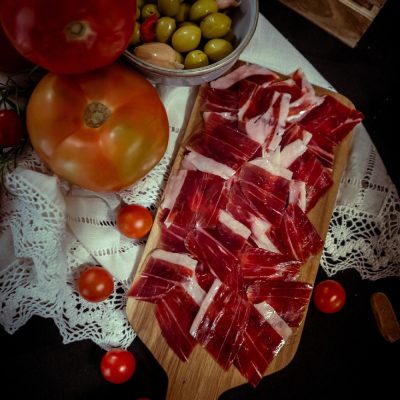
Start by placing the ham in a central or slightly prominent area. The slices should be gently separated, almost touching, so they can be picked up without tearing. The lomo and the rest of the cured meats can be arranged in small fans or curved groupings. Cheeses should be presented already cut into convenient formats, so guests don't have to handle them too much.
Accompaniments should occupy secondary spaces. A small bowl of olives, some almonds at one end and the bread placed neatly are enough. If everything touches everything, the board loses its class. Air also forms part of a good presentation.
Quantities according to the type of gathering
This point matters more than it seems. If the board is an appetizer before a meal, 60 to 80 grams of Iberian cured meats per person is enough, plus a modest selection of cheeses and breads. If the board will be the centerpiece of an informal dinner or a grazing meal, it can rise to 120–150 grams per person.
There's no need to fill the table from the start. In fact, it's preferable to bring out a first impeccable board and replenish later. This way the product maintains better temperature, appearance and texture. Iberian ham served too cold loses part of its aroma, and cheese straight from the fridge never offers its full potential.
Temperature, slicing and small details that change everything
A premium product deserves treatment to match. Ham and cured meats should be served at room temperature, ideally after a brief rest out of the cold. Cheese needs even more attention: if it's chilled, it becomes mute.
Slicing also conditions perception. Thin, even slices convey care and allow the correct texture to be appreciated. Cheeses should be cut according to their type, without destroying the piece. And bread or picos must be crunchy, never stale.
Another decisive detail is the tasting order. If guests start with the most intense chorizo or a very aged cheese, the ham will suffer afterward. That's why it's wise to build a board that suggests a natural progression, from the most delicate to the most powerful.
What to drink with a gourmet Iberian board
The drink should match the level of the selection. A brut nature cava works wonderfully for its freshness and ability to cut the noble fat of the ham. A fino or manzanilla are extraordinary choices, especially if you want a distinctly Spanish and sophisticated experience.
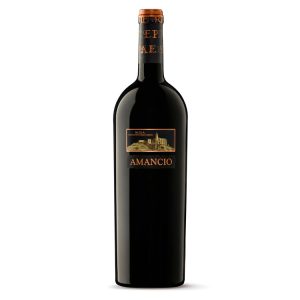
If you prefer red wine, avoid options that are too heavy or overly oaky. An elegant red, with good acidity and restrained fruit, harmonizes better than a muscular one. A serious white, with body and freshness, can also pair very pleasantly with lomo, cured cheese and toasted almond.
There are no dogmas here. There are better combinations than others. The essential thing is not to impose a drink that is more prominent than the product itself.
Errors that detract from the board's quality
An Iberian board loses stature when it mixes too many items without order, when it overuses sweet fruits or sauces, or when it resorts to mediocre cured meats to gain volume. In premium Spanish gastronomy, quality always shows. And it also shows when it's missing.
Another frequent mistake is trying to turn it into a universal grazing board by adding hummus, tropical fruits, chocolates or cheeses of unrelated styles without sense. A gourmet Iberian board has its own personality. It doesn't need an international disguise to feel modern.
If you want a truly distinguished result, it's worth buying less and opting for better origin, better curing and better selection. That's the difference between a correct board and one people remember.
At Made in Spain Gourmet we know this well: when Spanish product is excellent, the table elevates itself. Assembling a great Iberian board is not about decorating a lot, but about choosing precisely. If you get the ham right, respect the balance and serve each piece at the right time, the appetizer stops being a formality and becomes a statement of taste.
AUTHOR: Israel Romero, CEO of Made in Spain Gourmet.