Guide to Premium Spanish Vegan Products
[caption id="attachment_49515" align="aligncenter" width="400"]
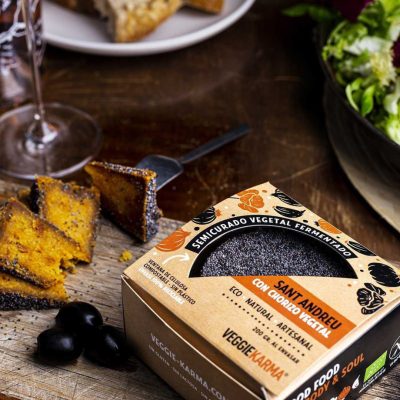
Veggie Karma: the gourmet vegan cheeses that are changing the rules of flavor[/caption]
Anyone who still associates vegan cuisine with a limited pantry hasn’t looked closely at Spain. A good guide to Spanish vegan products proves the opposite: flavor, tradition and gourmet quality also speak perfectly in a plant-based key. And when the selection is well made, it’s not about sacrifice — it’s about discernment.
Spain has an advantage that’s hard to match. Our cuisine is born from the vegetable garden, from extra virgin olive oil, from impeccable preserves, from legumes treated with respect, from rice, nuts, adobo and the Mediterranean pantry. The result is an extraordinary foundation for building a high-quality vegan shopping list without leaving the premium Spanish culinary universe.
Guide to Spanish vegan products to buy with discernment
Not every vegan product deserves a place on a discerning table. In the gourmet segment, the difference is not only the absence of animal ingredients. It’s in the origin, the raw materials, the preparation and the authenticity of the flavor. A product can be technically vegan and still taste flat, industrial or dispensable. Another can turn a simple appetizer into a genuinely prestigious gastronomic experience.
That’s why it’s wise to buy by category rather than by flashy labels. The useful question is not only whether a product is vegan, but whether it represents Spanish cuisine well, whether it has traceability, whether it’s made with recognizable ingredients and whether it fits a pantry that values quality over volume.
If there is an indispensable category in any guide to Spanish vegan products, it’s this one. Extra virgin olive oil is not a mere accessory. It’s a central product, with its own identity and the ability to elevate everything from toast to a vegetable cream or a legume salad.
In a gourmet context, pay attention to the olive origin, the harvest and the sensory profile. Some oils are greener and peppery, ideal for finishing dishes and adding character, while others are rounder and smoother, better for those seeking balance. None is objectively superior in every case. It depends on the use, personal taste and how prominent you want the oil to be.
A well-chosen premium Spanish EVOO solves half the vegan pantry. It brings depth, aroma and that sense of serious, well-constructed cooking that distinguishes excellent products from merely adequate ones.
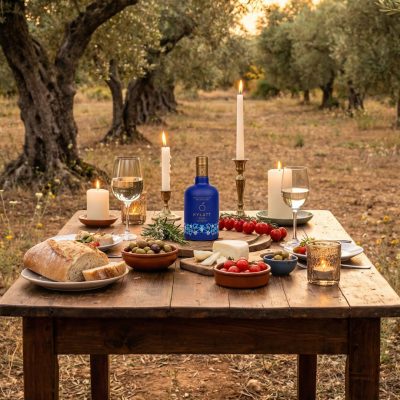
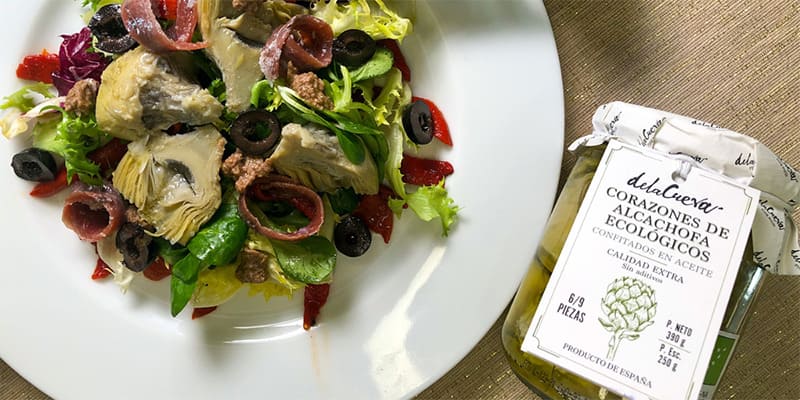
Well-made Spanish preserves are a category of enormous value. Asparagus, piquillo peppers, artichokes, prepared tomato, selected olives, gherkins and other preserved vegetables allow you to eat very well with little effort and a high standard.
Here detail matters. A pepper can be just a side or become a delicate, meaty and elegant bite. An artichoke can be fibrous or extraordinarily tender. The difference lies in the selection of raw materials and the producer’s seriousness.
Pickles also have a brilliant role in the aperitif. They add contrast, freshness and that saline-acid tension that makes any table more interesting. In a vegan offering, they work especially well because they bring rhythm and complexity without artifices.
Categories that work best in a gourmet vegan pantry
Smart shopping is not about filling the cart with substitutes. It’s about recognizing which Spanish categories are already excellent in themselves within a vegan diet. That’s where Spanish gastronomy has the edge.
Legumes are one of the great treasures of the Spanish pantry. Chickpeas, lentils, beans and large white beans (judiones) offer versatility, nutritional value and extraordinary culinary depth when the quality of the grain is high.
In dry form, they appeal to those who enjoy cooking with time and want to control every nuance. In ready-to-eat form, they are unbeatable for practical everyday cooking without sacrificing standard. Don’t fall into the prejudice that ready-to-eat is inferior by definition. If the legume is well selected and well cooked, it can resolve an excellent meal in minutes.
They also combine naturally with olive oil, roasted vegetables, mushrooms, rice or Mediterranean vegetable sauces. They are probably the most solid foundation for those who want to eat vegan with true Spanish roots.
Rice, fideuás and Mediterranean bases
Rice occupies a privileged place in Spanish cooking and fits impeccably on a gourmet vegan table. A good bomba rice or a selected variety allows you to prepare dishes with personality, structure and presence.
The same applies to some fideuás and dry preparations designed for vegetable broths, vegetables or mushrooms. Here it’s always wise to check the actual ingredient list and not assume anything. In traditional categories, broths or flavorings of animal origin sometimes appear unexpectedly.
When the product is well formulated, the result can be outstanding. A premium Spanish rice, accompanied by an excellent sofrito, artichoke, pepper and a high-quality EVOO, has far more gastronomic grandeur than many modern substitutes.
Sauces, creams and spreads
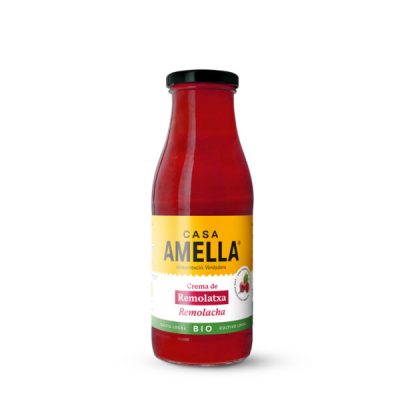
This is a very useful category, though it requires more attention. Gazpachos, salmorejos adapted in a plant-based version, artisanal sofritos, romescos, vegetable creams, and plant-based pâtés made from olive, eggplant or pepper can be magnificent allies for regular shopping.
The nuance is in the recipe. Some products aim for clean, recognizable flavors. Others compensate for mediocre raw materials with excess sugar, thickeners or invasive seasonings. In a premium pantry, the desirable approach is the opposite: simple ingredients, frank flavor and natural texture.
A good Spanish plant-based spread also works very well as a gourmet gift, in appetizer baskets or on sharing tables. It’s practical, elegant and fits with that very Spanish way of eating well without complicating the moment.
Snacks and appetizers
Few cultures understand the aperitif like Spain. And few elevate it as much with seemingly simple products. In a high-level vegan selection, artisanal potato chips, quality olives, selected nuts, toasted corn, well-formulated crackers and certain crisp breads made with olive oil stand out.
Not every snack deserves the gourmet label. Texture, salt level, clean frying and the origin of the main ingredient separate ordinary treats from premium appetizers. When the product is well made, it pairs equally well with a beer, a vermouth free of problematic ingredients, or a carefully curated grazing board for discerning guests.
How to recognize top-quality Spanish vegan products
The best guide to Spanish vegan products doesn’t stop at saying what to buy. It also helps you discard. In a market saturated with health, organic or plant-based claims, it’s wise to sharpen your eye.
First, origin matters. Spain enjoys international prestige for its pantry, but not everything that sounds Mediterranean meets a premium standard. Looking for specialized producers, coherent recipes and well-curated references makes the difference.
Second, the ingredient list must make sense. The clearer and more recognizable the product, the better. This doesn’t mean everything must have three ingredients. It means the recipe must be honest. If a vegetable cream needs a long chain of additives to be acceptable, you’re probably not facing a high-gastronomy reference.
Third, think about the consumption moment. Not all premium vegan products serve the same purpose. An exceptional oil deserves the spotlight. A delicate preserve asks for sober presentation. An artisanal snack works for the aperitif. An excellent legume supports a complete meal. Buying well is also buying for a specific occasion.
What’s worth always having at home
For a truly solid Spanish vegan pantry, few categories give as much versatility as a premium EVOO, several select vegetable preserves, high-quality cooked legumes, olives and pickles for the aperitif, a good rice and a couple of well-chosen plant-based sauces. With that base, daily cooking levels up effortlessly.
That is precisely the value of a curated selection. Instead of wasting time among hundreds of mediocre references, you choose products that have already passed a filter of quality, authenticity and gastronomic prestige. In a specialized e-commerce like
Made in Spain Gourmet, that curation matters because it’s not just about selling food, it’s about defending a Spanish way of eating better.
It’s also worth accepting that the price won’t always be the lowest. In gourmet products, paying more can mean better origin, better texture, better flavor and a clearly superior experience. Not in every case, of course. But when raw materials matter, price often reflects more than marketing.
Choosing well within the Spanish vegan universe is not about following a trend. It’s about recognizing that vegetal excellence already exists in our gastronomy and has for decades in the right pantry. If the table matters, origin does too. And Spain, in that regard, remains in the top division.
AUTHOR: Israel Romero, CEO of Made in Spain Gourmet.