Pairing Guide for Home Aperitifs (II)
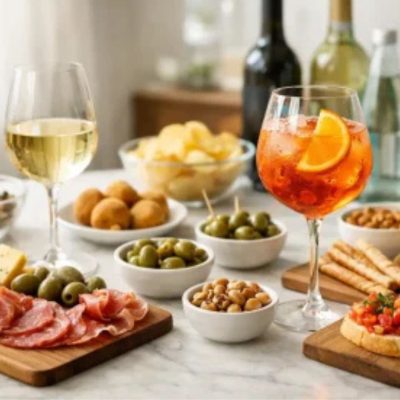
There are aperitifs that do the job and aperitifs that are remembered. The difference rarely lies in putting more things on the table. It lies in choosing better. This aperitif pairing guide starts from a simple idea: when drink and bite speak the same language, the experience changes completely. And if that language is that of premium Spanish gastronomy, the result usually exceeds any expectation.
The Spanish aperitif has something other culinary cultures try to imitate but never quite reach: a balance of immediate pleasure, excellent product and a way of sharing that’s elegant without being rigid. It doesn’t demand a ceremonial table, but it does demand judgment. A good vermouth doesn’t need ten accompaniments. A great cheese doesn’t pair well with just any wine. And a premium conserva can shine more than a complex dish if it’s well paired.
What defines a good aperitif pairing guide
Pairing isn’t about seeking contrived combinations. It’s about respecting the product. In an aperitif, where saltiness, fat, acidity, crunch and smoky or vinegary notes coexist, success lies in compensating or reinforcing with intent.
The most useful rule is this: the more delicate the bite, the more refined the drink must be. High-quality olives, fried almonds or gildas don’t ask for a heavy bottle or an overpowering glass. They ask for freshness, vibrancy and a clean finish. Conversely, if the table leans toward Iberian cold cuts, aged cheeses or deeply flavored conservas, you can go up in structure without losing elegance.
It’s also worth accepting that there isn’t a single perfect pairing. There are classic combinations that almost always work, and others that depend on context. Time of day, serving temperature, number of guests and even the order in which bites are served all matter. A midday aperitif admits more tension and bitterness. An afternoon aperitif may appreciate somewhat rounder profiles.
Vermouth, wine or Cava: what to serve according to the type of aperitif
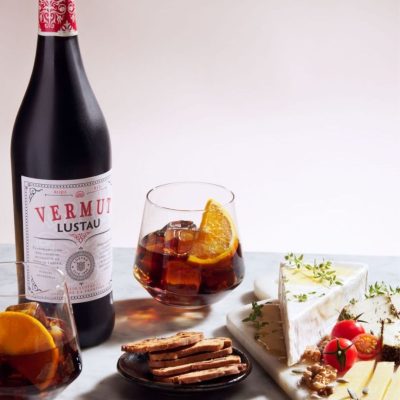
Vermouth is one of the great expressions of the Spanish aperitif. It has bitterness, spices, measured sweetness and an extraordinary ability to open the appetite. It works especially well with pickles, banderillas,
marinated olives, premium chips, mussels in escabeche and preserves with a vinegary touch. Its virtue is to accompany without fading. If the aperitif has intensity and contrast, vermouth responds with character.
White wine comes into play when precision is sought. A fresh white, with good acidity and a clean profile, is magnificent with marinated anchovies (boquerones), mild anchovies, soft cheeses, preserved shellfish or delicate pâtés. It doesn’t overpower; it organizes. On tables with several bites where a more refined line is desired, it’s often an impeccable choice.
Cava and
other premium Spanish sparkling wines are probably the most versatile allies. The bubbles cut through fat, refresh the palate and give an immediate sense of celebration. They go especially well with jamón ibérico, croquetas, roasted nuts, semi-cured cheeses and fried appetizers. Where there is texture and saltiness, a well-chosen sparkling wine elevates the table with an ease that’s hard to match.
Red wine, on the other hand, should be used more judiciously for aperitifs. It can work very well with Iberian cold cuts, aged cheeses or heartier tapas, but it’s not always the most flexible option. If served too powerful or too warm, it dominates the scene and reduces the freshness an aperitif needs. When chosen, prefer balanced reds with fruit, polished tannins and served slightly chilled.
Spanish pairings that rarely fail
There are combinations that have become classics for a reason. Iberian ham with brut Cava is one of them. The noble fat of the Iberian ham finds a perfect counterpart in the bubbles. The result is not only harmonious, it’s addictive.
High-quality anchovies, especially served with thin bread or a neutral base, appreciate dry whites or very clean sparkling wines. If the anchovy is intense and meaty, even a well-balanced vermouth can work, provided it doesn’t impose itself with excess spice.
Preserves such as mussels, cockles or razor clams call for freshness and acidity. A mineral white or a dry sparkling wine are very solid bets. Escabeche (pickled marinades), however, requires care. If it’s very vinegary, an overly delicate wine can be lost. In those cases, vermouth often defends the pairing more naturally.
Cheeses require a finer reading. A semi-cured Manchego pairs very well with fuller whites or gastronomic sparkling wines. If the cheese is more aged, the options widen: elegant reds, refined fino sherries or even dry-style vermouths, depending on the rest of the table. With blue or very creamy cheeses, the aperitif changes register and it’s best not to mix too many flavors around.
How to build an aperitif table with judgment
An excellent table doesn’t need disorderly abundance. It needs well-thought contrast. Ideally combine a salty base, a fatty element, a crunchy touch and an acidic or fresh note. Spain has a privileged pantry in this respect.
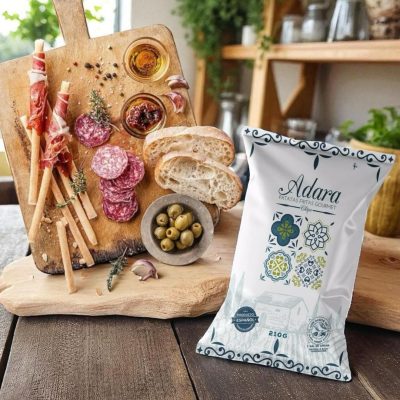
It may be enough with top-quality jamón ibérico, an artisanal aged cheese, selected olives, a premium conserva and good bread or breadsticks (picos). From there, the drink sets the direction. If you want a bright, lively table, the sparkling wine leads. If you seek a more classic atmosphere, vermouth sets the tone. If the aim is to sophisticate without complicating, a well-served premium white resolves almost everything.
Avoid a common mistake: mixing too many intense products at once. If there are anchovies, mussels in escabeche, chorizo, aged cheese and truffle pâté on the same table, the palate quickly becomes saturated. Elegance lies in editing. Fewer references, better chosen, create a much more premium perception.
Pairing guide for aperitifs by moment
Not all aperitifs ask for the same things. Before a meal, the smartest move is to opt for profiles that awaken the appetite. Vermouth, dry sparklings, tense white wines and salty bites work very well here. The idea is to stimulate, not to fill.
In a long aperitif, almost turned into an informal meal, you can introduce more structure. Boards of Iberian cold cuts, well-ripened cheeses, characterful preserves and wines with more volume fit better. In this format, sequence matters. Start with the most delicate and move toward the most intense.
For afternoon gatherings or celebratory aperitifs, Cava has a clear advantage: it elevates the moment without demanding much explanation. It’s festive, gastronomic and very versatile. If the table also includes savory sweets, premium nuts or light puff pastries, the whole gains sophistication.
Common mistakes when pairing an aperitif
The first mistake is thinking that the more powerful the drink, the more gourmet the experience. It isn’t. In the aperitif, precision is worth more than intensity. A drink that’s too alcoholic or too tannic can crush the ensemble.
The second mistake is neglecting temperature. A lukewarm Cava loses its vibrancy. An overly cold white loses aroma. A warm red feels heavy. Proper service is part of the luxury.
The third is underestimating the product. When working with Spanish products of origin, artisanal and premium, there’s no need to disguise anything. Good anchovies, a great cheese or an excellent ham already bring complexity, terroir and prestige. The pairing should accompany that quality, not compete with it.
The value of origin in a well-paired aperitif
Not all aperitifs are the same because not all products tell the same story. Origin matters. It matters in the oil that accompanies, in the curing of the Iberian ham, in the milk of the cheese, in the making of the vermouth or in the selection of a conserva. That traceability is precisely what turns a pretty table into a serious gastronomic experience.
That’s why the Spanish aperitif continues to hold a privileged place among those who understand fine dining. It has tradition, yes, but also an exceptional ability to combine pleasure and refinement. In a European market increasingly attentive to authenticity, choosing premium Spanish products isn’t a trend. It’s a statement of taste.
At Made in Spain Gourmet we know this well: when the product is excellent, pairing stops being a formula and becomes a way to celebrate. Next time you prepare your aperitif, think less about filling the table and more about giving it meaning. That’s where the memorable begins.
AUTHOR: Israel Romero, CEO of Made in Spain Gourmet.