Aperitif Trends in Europe Today
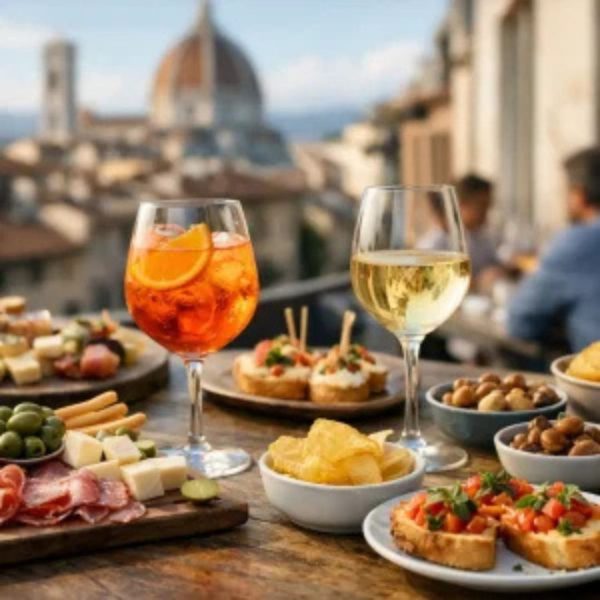
At seven in the evening, half of Europe is no longer just looking for a little snack. People want to turn that moment into a small everyday luxury. This is where aperitif trends in Europe reveal a clear shift: the premium consumer wants smaller portions, better provenance and a more carefully curated experience around the table. It's no longer enough to open a bag and pour a drink. The aperitif has become a statement of taste.
What is changing in aperitif trends in Europe
The European aperitif is undergoing obvious sophistication, but it is not uniform. In the south, the culture of sharing and recognizable products is reinforced. In the north, interest grows for practical formats, selected references and easy-to-execute pairings at home. In both cases the pattern repeats: the value of origin, traceability and presentation rises.
This especially favors Spanish gastronomy. Few pantries fit the new European aperitif better than the Spanish one: characterful vermouth, very high-quality canned goods, olives, select nuts, cheeses with personality, Iberian cured meats and savory snacks with more identity than mere convenience. Spain doesn't just compete on flavor. It competes on gastronomic culture, and that matters a lot for the aperitif.
There is also a contextual change. People host at home more, but with standards close to those of restaurants. The host no longer wants to improvise without criteria. They want products that speak for themselves, require little assembly and convey prestige. That balance between ease and excellence is probably the great strength of this category.
From informal nibbling to the gourmet ritual
For years, the aperitif was a functional space for many European markets: something to accompany a drink before dinner. Today it resembles more of a ritual. The platter is thought through, the drink is chosen intentionally and the product stops being an accessory.
This change has a very concrete commercial consequence: ready-to-show references gain prominence. Premium canned goods, chef-made chips, gildas, pâtés, mussels in escabeche, high-quality roasted almonds or artisan picos solve the table with minimal execution and a maximal perception of value. Today's consumer appreciates that. They want refinement, but without complicating their life.
That doesn't mean everything has to be formal. In fact, one of the keys of the new European aperitif is that it mixes sophistication with naturalness. An excellent tin, well presented, can be more desirable than an overelaborate preparation. What matters is no longer to appear complex, but to demonstrate good taste.
Origin matters more than ever
In this evolution, origin has become a decisive filter. When a customer chooses jamón ibérico, aged Manchego, quality olives or a traditionally made vermouth, they are not buying just a flavor. They are buying a standard.
That is why categories with an authentic story are growing. Protected designations, artisan producers, region-linked recipes and recognizable raw materials provide something that industrial aperitifs cannot offer: gastronomic credibility. In a premium market, that credibility sells.
Beverages define the new European aperitif
If there is a scene that sums up aperitif trends in Europe, it is this: drinks that are more considered and less predictable. The spotlight no longer belongs solely to international spritzes. The gourmet consumer wants alternatives with more identity.
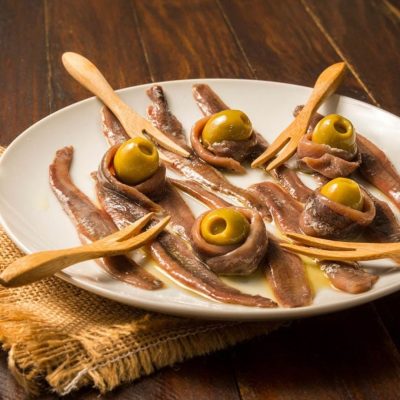
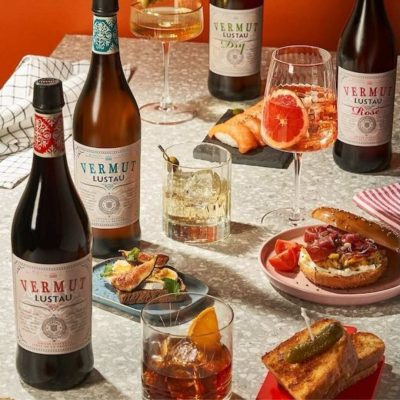
Vermouth is enjoying one of its best moments. It fits by flavor, by versatility and by cultural imagery. It has bitterness, aromatic complexity and a classic air that is especially attractive today. It also pairs very well with the Spanish pantry: olives, canned goods, anchovies, premium potato chips or cured cold cuts. Few combinations offer so much with so little effort.
Sparkling wines and fresh white wines are also growing in the aperitif scene, especially when a brighter, more gastronomic table is desired. A well-chosen cava or a dry white with good acidity elevate the moment without making it rigid. There is an important nuance here: not every aperitif asks for the same drink. If the table revolves around salted fish and canned goods, a vibrant, clean option works better. If cheeses and cured meats predominate, profiles with more structure are appropriate.
The rise of non-alcoholic options also deserves attention. Not because they replace the whole experience, but because they expand the consumption moment. Premium tonics, carefully made grape musts, botanical beverages and characterful non-alcoholic proposals allow keeping the aperitif ritual without giving up elegance.
Spanish products gain weight on the European table
Europe is refining its palate for the aperitif, and that directly benefits premium Spanish products. Not as a passing trend, but because of real affinity. Spanish gastronomy understands the aperitif as part of its culture, not as a secondary category. That difference is noticeable.
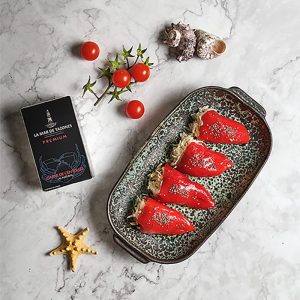
Gourmet canned goods are a perfect example. Compared to other quick solutions, they offer depth of flavor, long shelf life and impeccable presentation. Mussels, razor clams, sardines, ventresca or small sardines make it possible to build a memorable table in minutes. In markets where time is as valuable as quality, that is a huge advantage.
The same happens with
Iberian ham. Its presence turns any aperitif into an occasion. But here it's worth being demanding: not every pre-sliced or cured meat conveys the same level. The premium European consumer increasingly differentiates between a correct product and an extraordinary one. And once they taste authenticity, they don't go back.
Spanish cheeses are also finding their space with growing strength. Aged, semi-cured, sheep or goat cheeses bring texture, intensity and a personality that fits very well on small but high-impact boards. Combined with nuts, regañas (Spanish flat crackers), select preserves or artisan picos, they work flawlessly.
Convenience yes, banality no
One of the most interesting trends in today's aperitif is the search for convenience without sacrificing quality. The consumer wants to open, serve and enjoy. But they don't want generic products.
That explains the growth of formats that solve a lot: premium tins, well-cut packs, artisanal snacks, selected pickles and assortments designed to combine with each other. The trick is curation. When the selection is excellent, preparation can be minimal.
Here a key point appears for any specialized gourmet shop. Victory goes not to the one with the most references, but to the one who knows how to select better. A well-constructed Spanish assortment allows creating aperitifs with identity, coherence and a high level of satisfaction. That trust matters a lot for repeat purchases.
Made in Spain Gourmet understands this movement well: the European customer does not need a thousand indistinct options, but a reliable selection of authentic premium Spanish products capable of elevating any gathering.
The domestic aperitif increasingly resembles that of a boutique hotel
The influence of the high-end HORECA channel is evident. More careful tableware, contained portions, simple but precise pairings and a clean aesthetic are entering homes. It's not about copying a restaurant, but adopting its most desirable codes.
This favors visually attractive products that are easy to plate. An excellent canned good on a sober plate, thin slices of cheese, thoughtfully seasoned olives and an appropriate glass are enough to build a high-level scene. Current luxury in the aperitif lies in selection, not excess.
Health, naturalness and pleasure: a combination that now rules
The idea of indulgence is changing. The European consumer wants to enjoy, but with cleaner, more honest products and better nutritional perception. That does not eliminate the classics. It redefines them.
That is why there is growing interest in conservas packed in their own juice or well-made escabeches, snacks with recognizable ingredients, superior-quality nuts, pickles, organic options and vegan references that do not give up a gourmet positioning. The message is clear: eating well and eating with pleasure are no longer opposed.
Still, avoid oversimplifications. Healthy does not always mean light, nor does premium necessarily mean austere. A good aperitif can include an excellent cured meat or an extraordinary potato chip, provided the product has real quality. The key lies in frequency, portion size and standard, not in demonizing entire categories.
Where the European aperitif is headed
Everything points to a more selective, more cultural aperitif that is more connected to the pleasure of sharing. There will be more attention to origin, more appreciation for small producers and more room for high-quality formats that make it easy to impress at home. And, above all, there will be less tolerance for mediocrity.
Spain starts with an advantage in that scenario. It has a pantry, prestige and a way of understanding the table that Europe admires more and more. For the gourmet consumer, that means a clear opportunity: to turn an everyday gesture into an experience with character, authenticity and real flavor.
Next time you prepare an aperitif, think less about filling the table and more about what you want to say with it. When the product is excellent, very little is needed for everything to feel extraordinary.
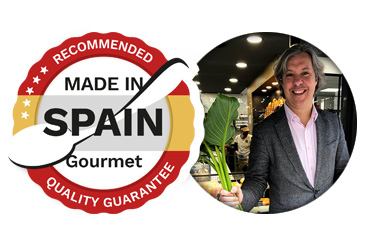
AUTHOR: Israel Romero, CEO of Made in Spain Gourmet.