France, a wonderful country full of tourist and cultural attractions everywhere. And a sensational, varied cuisine that we love. However, the French also really enjoy our gastronomy, and today we’ll share with you what they like and what our Gallic neighbors ask us for.
First of all, what I like to share is that we are not competing against any country or cuisine. In art and culture you don’t compete, you share. So, after this important starting point, we explain what the French like at Made in Spain Gourmet.
100% pure-breed Ham: a real discovery
Our flagship has proven to be a true discovery in France. And not because our ham was unknown before in the neighboring country, but because for many years the “Iberian low cost” developed there:
the ibérico 50% Iberian breed and 50% Duroc breed. An excellent product, yes, but not the true “black label.” The word ibérico in the name confused more than it clarified. The price difference is considerable, but the quality gap is even larger. Would we sell a
Dom Pérignon at the price of a
Crémant? That’s exactly what was happening.
Today, more and more French customers write to us via WhatsApp, email or phone to ask about the differences between
black label (100% Iberian) and red label (50%). And the answer is clear: the first has no crossbreeding, the purity of the breed and montanera feeding on acorns change everything. More
omega 3, 6 and 9, more complexity, more flavor. And yes, more expensive, but well worth it.
Among preferences stand out
Beher (regular and organic) and
Maldonado, followed by
Señorio de Montanera and
Domecq. In terms of formats, they prefer sliced (loncheado) over boneless or the whole leg. And always ham before shoulder.
Among cold cuts, chorizo and lomo are huge hits because of the paprika—a flavor very uncommon in France. And Iberian salchichón becomes addictive: different from Duroc pork and hard to stop eating. The French consumer knows what they want, researches, compares and demands. And we love that.
[caption id="attachment_46911" align="aligncenter" width="600"]
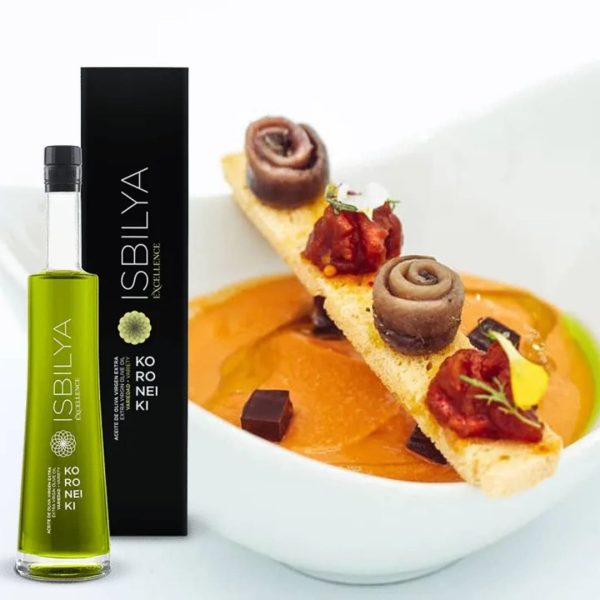
Spain's liquid gold: secrets your palate deserves to discover[/caption]
Extra virgin olive oil: organic and non-organic
If there’s still a need for education on Iberian ham, when it comes to
EVOO (extra virgin olive oil) the French prove to be true experts. They know what they’re looking for: an oil that never fails. They distinguish between the fruity arbequina and the powerful picual, and recognize varietal nuances that many Spaniards don’t notice. After all, in the land of butter, the culture of olive oil has grown strongly.
The best sellers are
Lagar del Soto (organic), followed by
Isbilya and biodynamic
Castillo de Canena. In formats, the 5L tin and the 500ml bottle triumph. And many openly say: the variety and quality of Spanish oil surpasses Italian.
Cheeses: cured sheep and Manchego, the great passion
Manchego cheese is a Spanish
treasure highly appreciated. Its texture and, above all, its aging win over the French, who include it on their cheese boards alongside wines… French, of course. Tasting from 3 months up to 24 months of aging is for them a fascinating gastronomic journey. Long live La Mancha.
Favorites:
Ojos del Guadiana,
La Casota and
Quesería 1605.
Honeys: a valued treasure
In France honey is respected almost like a wine or a cheese. Spain’s floral diversity —rosemary, thyme, orange blossom, chestnut, eucalyptus, heather— is a feast of flavors that the French don’t always find at home. Spanish beekeeping maintains that artisanal, authentic character that fits their idea of terroir.
Honey is used in France not only to sweeten, but also in cheeses, foie gras and pastries. The brand
Alemany 1879 is highly valued, with special demand for rosemary, thyme, wildflower and propolis.
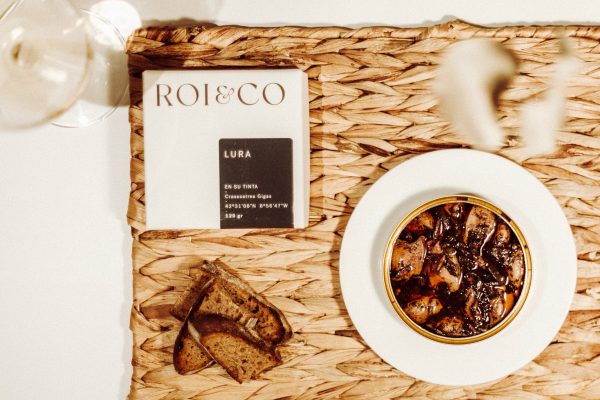
Canned fish and seafood: anchovies are the queens
In France canned goods are already part of their culture, but Spanish cans bring an extra: the quality of Atlantic and Cantabrian raw materials, Galician know-how, and the variety of preparations (pickled, in extra virgin olive oil, sauces). They are more than preserves; they are gourmet experiences ready to open.
Anchovies (
Casa Santoña,
Revilla,
Agromar) lead the podium, but tuna belly, bonito, bluefin tuna
Balfegó and the
Tarifa preserves also triumph. Among shellfish, the spider crab and brown crab from
La Mar de Tazones are huge hits, and Agromar’s elvers and sea urchins: true gastronomic jewels.
Sal de Ibiza: a brand that enchants
Sal de Ibiza is more than just salt. In France the island evokes purity, sun and nature. The minimalist turquoise design is perceived as chic and aspirational. Its natural salts, with flowers, herbs or chili, are seen as a little piece of the Mediterranean on the table.
And the potato chips are a whole phenomenon. Thick-cut, fried in sunflower oil and seasoned with natural sea salt, they fit perfectly into the French culture of the
apéritif dinatoire. They are enjoyed with champagne, cocktails or simply to elevate a casual moment. For them, it’s bringing a piece of Ibizan summer home.
Lustau vermouth and its fortified wines for Foie gras
There’s a match that sounds like music to the French: Foie gras asks for contrast: its unctuousness and fat need acidity, subtle bitterness or elegant sweetness to cleanse the palate.
Lustau vermouth, with its herbal complexity and a touch of Sherry, fulfills that function perfectly.
Fortified Sherry wines: an
Amontillado or an
Oloroso have the structure, salinity and nutty notes that elevate foie to another level. For the French it’s a nearby surprise: not a Sauternes, but something equally noble and with more character.
In France Sherry has always had a reputation as a wine for
connaisseurs. Serving foie with Lustau is showing gastronomic culture, not just repeating the classic formula.
Lustau as a guarantee: it’s a winery with a solid name, representing authenticity and excellence in Sherry wines, something that immediately gives confidence to the French gourmet market.
It’s a pairing that combines sensory pleasure, distinction and prestige.
Conclusion
The French customer of
Made in Spain Gourmet is cultured, demanding and curious. They don’t look for cheap, but for authentic. They read, ask, compare and know how to value excellence. They love discovering products that enrich their table without giving up their traditions. For us, working with them is a privilege: they force us to give the best of our gastronomy and, at the same time, remind us that sharing is far more enriching than competing.
AUTHOR: Israel Romero, CEO of Made in Spain Gourmet.