Spain is the global benchmark for gastronomy. But it is the non-reference when it comes to gourmet internationalization in the United States. Why? Because we don’t do things right and we don’t join forces to achieve it. At Made in Spain Gourmet we think differently.
In recent years, we have witnessed a worrying trend among some premium Spanish brands: yielding to pressure from the U.S. market to launch versions of their products under private labels. At first glance, this may seem like a pragmatic strategy to expand into a market as competitive and lucrative as the U.S. However, by doing so many of these brands give up their identity, their heritage and, most seriously, the opportunity to build prestige that could catapult them to a global leadership position.
The appeal of the U.S. market and private labels
The United States, with its massive market of sophisticated consumers, is the paradise of consumer goods, and Spanish brands have historically been recognized for their quality and authenticity. However, the desire to penetrate this market has led several companies to give in to the appeal of contracts with retail chains or distributors that require products under private labels. Private labels are those that do not carry their own brand name and, instead of being recognized by the consumer, display the logo of the supermarket chain or distributor that markets them. In many cases, these private labels can offer more competitive prices, which makes them even more attractive to bargain-seeking consumers.
The cost of renouncing identity
Although agreements with private labels can generate immediate profitability, Spanish brands, by doing so, are giving up something far more valuable: their identity. Creating a private label means disappearing behind a generic tag, losing the direct connection with the consumer and, in many cases, relinquishing control over how the product is perceived. Premium Spanish brands, recognized for the quality of their olive oils, wines, cured meats, or preserved foods, lose the opportunity to position themselves as global benchmarks if they cannot convey their origin, their story and their production process.
[caption id="attachment_33773" align="aligncenter" width="800"]
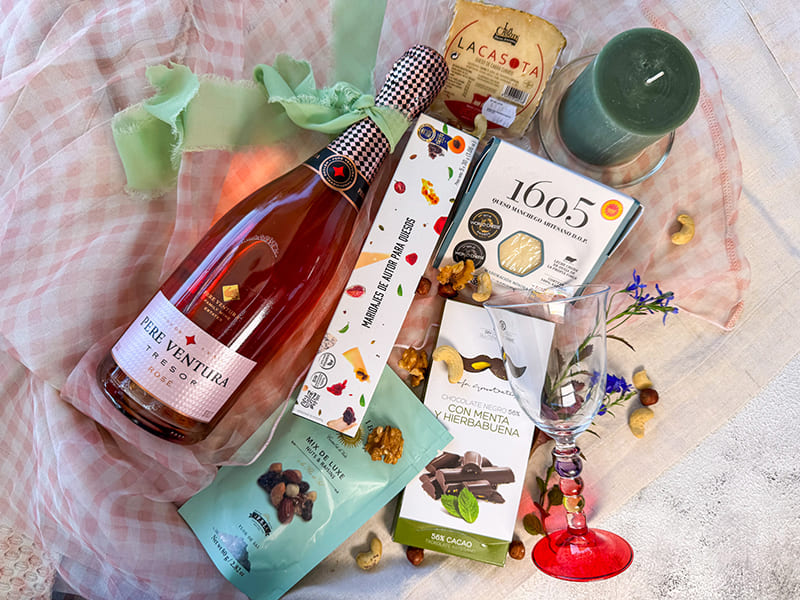
Spanish gourmet brands: Sacrifice prestige for the temptation of private labels in the USA?[/caption]
A strategic mistake: Losing the opportunity to build prestige?
The marketing of gourmet brands is not based solely on product quality, but also on building a narrative. In a world increasingly aware of the origin and authenticity of what it consumes, premium brands that bet on name and origin as distinguishing value are in a privileged position to establish global prestige. This is precisely what some Spanish brands seem not to understand when they sign agreements with private labels.
It is important to note that the U.S. consumer, while often interested in lower prices, also seeks authenticity, quality and, above all, a story behind the products they buy. If Spanish brands lose that connection and become anonymous products within a private label, they are sacrificing a great opportunity to position themselves as a reference for luxury and authenticity.
The future of Spanish gourmet brands in the United States
For Spanish brands, the challenge lies in finding a balance between taking advantage of opportunities in a market like the U.S. and, at the same time, maintaining their integrity as premium brands. Instead of yielding to the temptation of private labels, Spanish companies should look for ways to differentiate themselves, highlight the quality and authenticity of their products, and educate consumers about the unique value of what they are buying.
In short, by succumbing to private labels in the U.S., Spanish gourmet brands are leaving aside what makes them unique: their origin, their story, and their prestige. Instead of being just another option on supermarket shelves, they could have established themselves as a global luxury brand, a leader in the gourmet market. The lesson is clear: the value of a brand is not built only with quality products, but with an identity that consumers can recognize, appreciate and, above all, desire. Is this the future of Spanish gourmet brands in the United States? Only time will tell, but what is clear is that by sacrificing their identity for a private label contract, they could lose an opportunity that might have catapulted them to worldwide success.
 AUTHOR: Israel Romero, CEO of Made in Spain Gourmet.