Doing a Private Label: The Worst Decision for Your Gourmet Brand
The decision that can kill your brand. There are decisions that look smart in the short term but are lethally toxic in the long run. One of them is this: "I'm going to make a gourmet private label for another client, that way I sell faster."
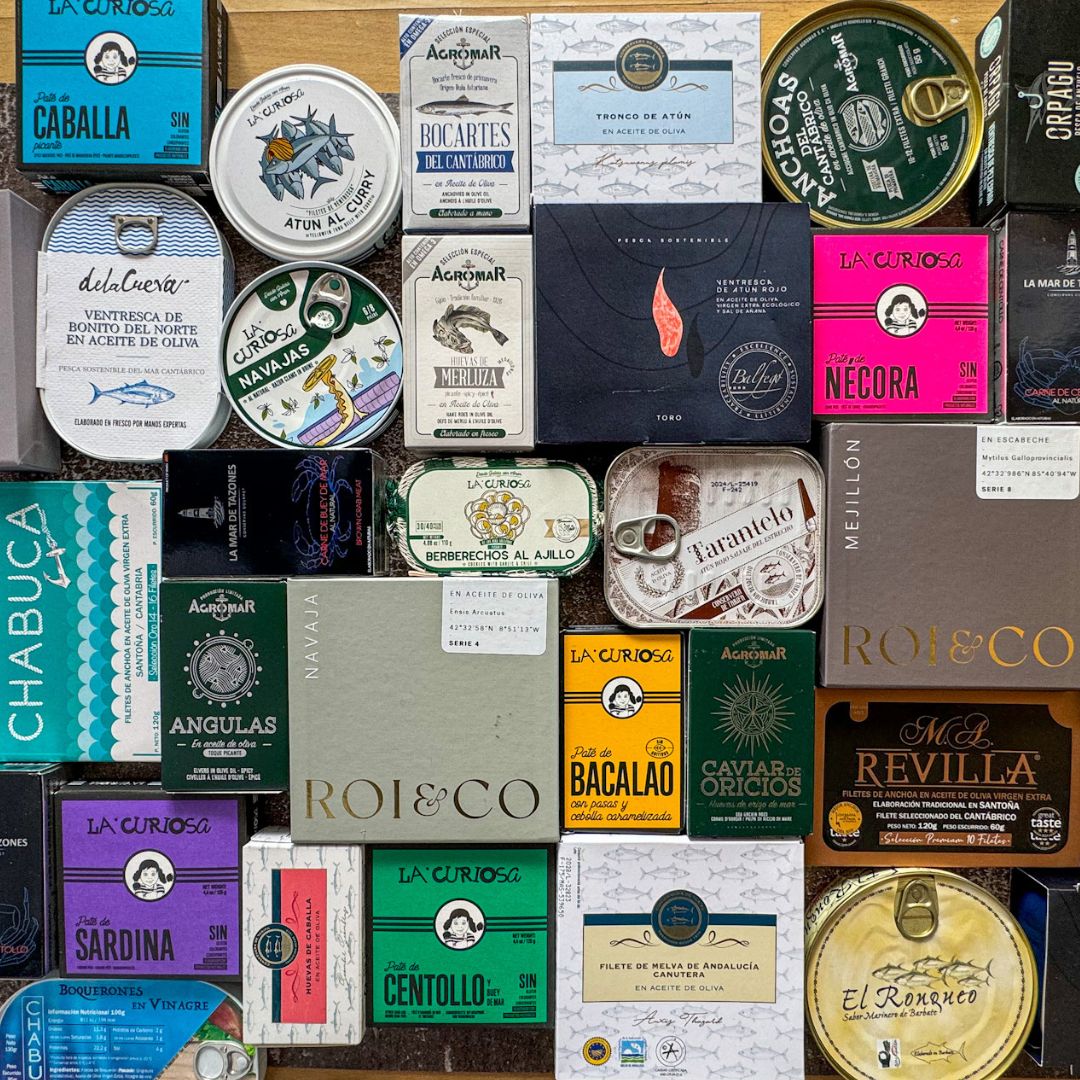
At Made in Spain Gourmet, we have spent years helping Spanish brands position themselves abroad, and there is nothing that pains us more than seeing brilliant producers, with exceptional products, give up their brand's soul for immediate revenue.
Yes, you make sales. But you become indistinct. You lose essence, strategy, and future.
Private label: the silent enemy of your own brand
Private label in the gourmet sector is a poorly designed shortcut, a decision often based on fear, misinformation, or economic urgency.
Here I explain, point by point, why doing private label is one of the worst decisions you can make if you truly want to build a powerful, recognized, and profitable gourmet brand.
1. Total dependence on the client (the distributor, the retailer... or whoever's in charge)
When you do private label, you are no longer the owner of your product or its narrative. They put the brand. They decide the packaging. They set the prices. They can replace you tomorrow with another manufacturer. And you, who invested time, quality, and effort, are left out of the game without having built anything of your own.
2. Unequal and unbalanced negotiation
The gourmet market in the U.S. is saturated. And the big players like Whole Foods, Trader Joe’s, Publix, or Sprouts play in a different league. They demand exclusivity, discounts, total control. They negotiate hard. And if you can’t meet volumes or deadlines, they’ll replace you in the blink of an eye.
Is your product unique? Yes. But to them, you’re just another item on the list.
3. Ridiculously low margins
While you juggle to maintain quality, the private label buyer pressures on price. In the end you sell more, but earn less. And then you wonder why you don’t have money to invest in your own brand. It’s not that you can’t… It’s that you’re giving it away to someone else.
4. Financial and currency risks
Operating in dollars from Spain sounds good, until:
- The euro rises and you lose margin.
- They pay you in 60–90 days (if they pay).
- You don’t have a watertight contract and you’re left hanging.
And all of this, while your brand remains invisible.
5. High competition (no differentiation)
The gourmet private-label market is booming. But it’s also a price war. Yes, you offer quality. But if the buyer only wants “the cheapest thing with a gourmet look,” you’re headed straight to the slaughterhouse. So what’s the point of being gourmet, if they treat you like just another supplier?
6. Total loss of identity
Does your olive oil have a story? Does your ham come from an estate with generations of tradition? Does your cheese reflect the culture of your land? None of that matters when you do private label. The retailer packages it however they want, places it wherever they want, and erases all the emotional value of your product.
7. Inability to build your own brand in parallel
Once you enter with private label, you've closed the door to your own brand in that channel. Want to launch your brand later? You compete with your current client. And probably, with your own products.
8. Lack of brand recognition
Your products will sell, but no one will know they were yours. And when you want to launch your own brand… no one will know it. Nor will they associate it with quality or with your track record. That's a silent brand suicide.
9. Extreme pressure on quality and prices
Private label doesn't allow you to stay true to gourmet. Because although the buyer says they want quality, they always prioritize price. And if you don't give in, they look for someone else. But if you give in, your product is diluted, your value falls, and your essence is lost.
10. Volatility of contracts (and relationships)
Today you're in. Tomorrow you're out. Relationships in the private label world are like a Tinder for manufacturers: fast, cold, and disposable. Do you want to build a brand for generations or just survive one more year?
11. Risk of reputation you can't control
If your client lowers quality or launches a failed campaign, you can't do anything. But you're still the producer. And that damage can spill over onto you with no way to defend yourself.
When does gourmet private labeling make sense?
It's not all black and white. It can make sense in very specific contexts, such as:
- Using existing production capacity to generate cash flow.
- Having a broker or strategic partner (like Made in Spain Gourmet) who defends your value and your storytelling even during a tactical move.
- Using private label as a lever to launch your own brand in the future, but never as the final destination.
- Creating an entry-level range while protecting your premium line.
But let it be clear: Private label should never replace your own brand.
Conclusion: Either you build a brand or you work for others
Producing gourmet without a brand is like writing a novel and letting someone else sign it. If you have a quality product, with a story, with soul…
Don't sell it wholesale under a white label.
Building a brand is harder, yes. It requires time, investment, and strategy. But it's the only path to have control, value, community, and a future.
At Made in Spain Gourmet, we believe the future of Spanish gourmet is not to be invisible, but to be unforgettable.
Are you building your brand or manufacturing for others?
Let's talk. At Made in Spain Gourmet we help soulful brands conquer the market without betraying their essence.
 AUTHOR: Israel Romero, CEO of Made in Spain Gourmet.